

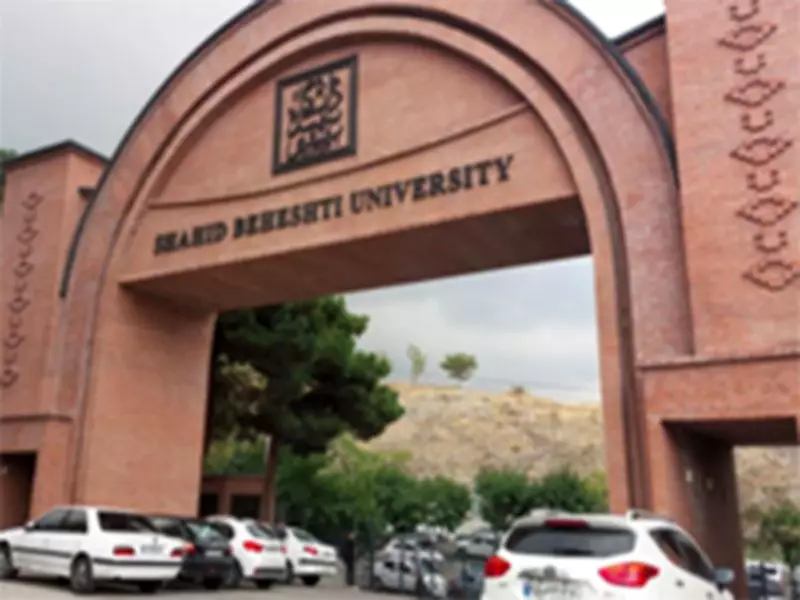
US-Israeli Airstrikes Target Shahid Beheshti University in Tehran
In a dramatic escalation of hostilities in the Middle East, US and Israeli airstrikes have reportedly targeted Shahid Beheshti University in Tehran, Iran. This incident, which occurred amid a widening regional conflict, has sparked immediate international concern and condemnation. The attack marks a significant intensification of military actions, directly impacting an educational institution in the Iranian capital.
Details of the Airstrike Incident
According to initial reports, the airstrikes were conducted jointly by United States and Israeli forces, hitting the university campus in Tehran. Shahid Beheshti University, a prominent higher education institution in Iran, was struck, though the exact extent of damage and potential casualties remains unclear at this time. The timing of the attack suggests a coordinated effort as part of broader military operations in the region.
Witnesses described scenes of chaos and confusion following the strikes, with emergency services rushing to the site. The university, known for its academic programs and research facilities, is now at the center of a geopolitical storm. Authorities in Tehran have yet to release an official statement detailing the impact, but local media indicates significant disruption and potential harm to infrastructure.

Context of the Widening Middle East Conflict
This airstrike occurs against the backdrop of a rapidly escalating conflict in the Middle East, which has seen increased military engagements across multiple fronts. Recent tensions between Iran, the US, and Israel have been building, driven by issues such as:
- Nuclear program disputes and sanctions
- Proxy warfare in neighboring countries
- Regional power struggles and alliances
The targeting of a university in Tehran represents a notable shift, potentially indicating a strategy to strike at symbolic or strategic locations beyond traditional military sites. Analysts warn that this could lead to further retaliation and a dangerous cycle of violence.
International Reactions and Implications
The international community has reacted with alarm to the news of the airstrikes. Key stakeholders, including regional powers and global organizations, are closely monitoring the situation. There are growing calls for de-escalation and diplomatic intervention to prevent a full-scale war.
Security experts highlight that attacks on civilian infrastructure, such as universities, raise serious humanitarian and legal questions under international law. The incident could strain already fragile diplomatic relations and complicate efforts to achieve peace in the region.
Potential Consequences and Future Outlook
As the conflict widens, the airstrike on Shahid Beheshti University may have several immediate and long-term effects:
- Increased civilian risk: Targeting educational institutions heightens concerns for non-combatant safety.
- Regional destabilization: Further military actions could spill over into neighboring countries.
- Global economic impact: Escalation may affect oil markets and international trade routes.
- Diplomatic fallout: Relations between involved nations could deteriorate rapidly.
The situation remains fluid, with ongoing developments expected to shape the trajectory of the Middle East conflict. Observers urge restraint and dialogue to avert a broader crisis.






