In a significant escalation of maritime enforcement actions linked to the Ukraine conflict, the United States has seized a Russian-flagged oil tanker in the Pacific Ocean. This bold move has triggered a direct military response from Moscow, which has deployed a submarine to the same region, raising fears of a potential naval confrontation.
The Seizure of the NS Century
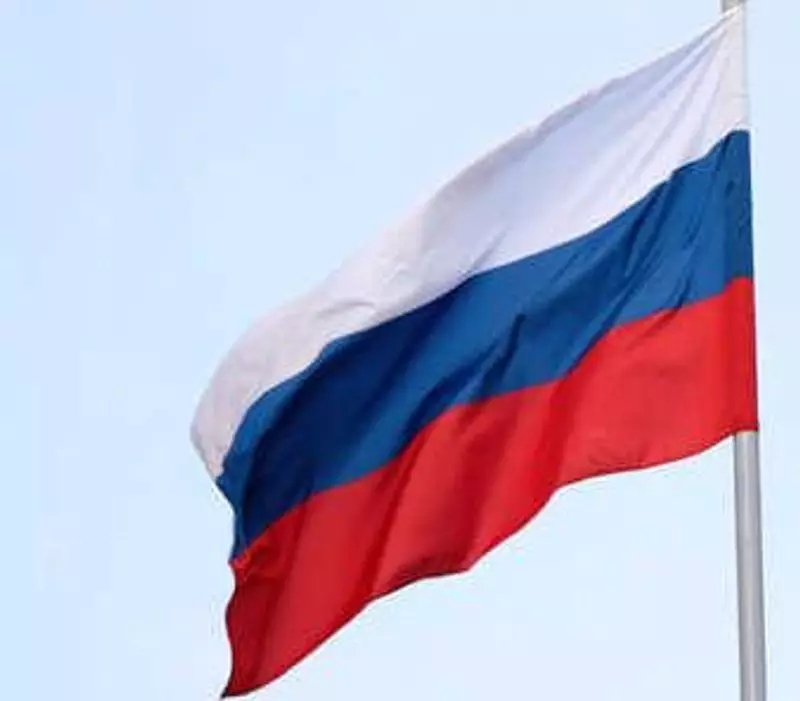
The vessel at the heart of this international incident is the Russian-flagged oil products tanker NS Century. According to reports, the tanker was apprehended by US authorities. The action is directly connected to enforcement of the price cap imposed on Russian oil by the G7 nations, a policy designed to limit Moscow's revenue from energy exports while keeping oil flowing on global markets.
The seizure underscores the United States' commitment to tightening the screws on sanctions evasion. The NS Century was allegedly involved in transporting Russian crude oil priced above the coalition's cap, making it a target for punitive measures. This incident represents one of the most assertive physical enforcements of the price cap mechanism to date.

Moscow's Military Response
In a swift and demonstrative reaction, the Russian Federation has deployed a submarine to the Pacific Ocean. This military deployment is widely interpreted as a direct response to the seizure of the NS Century, signaling Moscow's refusal to back down and its willingness to protect its maritime interests, even militarily.
The presence of a Russian submarine in the area significantly heightens the stakes. It transforms a law enforcement action into a potential military standoff, creating a volatile situation in international waters. Analysts view this as a clear message from the Kremlin that it considers such seizures as hostile acts and will respond with proportional force to safeguard its assets.
Broader Implications and Global Tensions
This event marks a dangerous new phase in the West's economic war against Russia. Moving beyond financial penalties and diplomatic expulsions, the physical seizure of a major asset like an oil tanker represents a tangible escalation. For Russia, the submarine deployment is a classic show of force, aimed at deterring future seizures and demonstrating its naval reach.
The confrontation has immediate repercussions for global energy security and maritime law. Key questions now arise:
- Will this deter other vessels from carrying price-capped Russian oil?
- Could it lead to accidental clashes between US and Russian forces?
- How will other nations, including India, which imports Russian oil, react to this heightened enforcement?
The situation remains fluid and tense. It serves as a stark reminder that the economic sanctions stemming from the Ukraine war have tangible, real-world consequences that can quickly spill over into military posturing, risking a broader conflict. The world will be watching closely to see if this incident de-escalates or becomes a recurring pattern in the vast expanse of the Pacific.