

US Strikes Destroy One-Third of Iran's Missile Arsenal, Intel Reveals
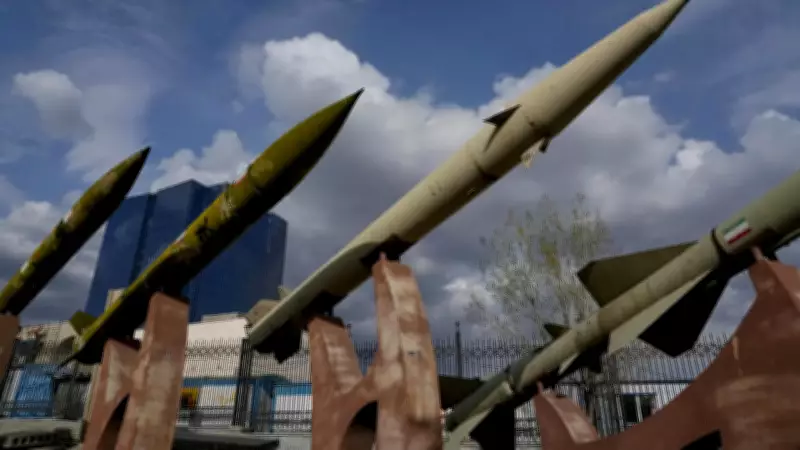
According to a previously unreported intelligence assessment cited by Reuters, the United States has destroyed approximately one-third of Iran's missile arsenal through nearly a month of sustained strikes conducted in coordination with Israel. This assessment provides the clearest picture to date of the impact of the military campaign, though it contrasts with public remarks by President Donald Trump, who claimed Iran had "very few rockets left."
Intelligence Assessment Details Limited Success
Five sources familiar with US intelligence told Reuters that Washington can "only determine with certainty" that about one-third of Iran's missiles have been eliminated. Another third is believed to have been damaged, buried, or rendered inaccessible in underground facilities, though officials admit the true extent remains uncertain. The remaining stockpile—potentially still substantial—continues to fuel Iranian strikes on regional targets.
Despite the scale of the US campaign, officials concede that accurately measuring Iran's remaining missile capability is inherently difficult, largely due to its extensive use of underground storage and launch systems. One senior US official admitted: "I don't know if we'll ever have an accurate number," pointing to the uncertainty surrounding Iran's pre-war stockpile. Estimates vary widely from about 2,500 missiles cited by Israel to as many as 6,000 suggested by independent analysts.

'Epic Fury' Campaign Targets Military Infrastructure
The US-led campaign, dubbed 'Epic Fury,' has focused not only on missile stockpiles but also on the infrastructure that sustains them. According to US Central Command (CENTCOM):
- More than 10,000 Iranian military targets have been struck
- 92% of Iran's large naval vessels have been destroyed
- Over two-thirds of missile, drone, and naval production facilities have been damaged or eliminated
- Missile and drone launch rates have dropped by over 90%
US forces have carried out more than 10,000 combat flights, including heavy bomber missions deploying up to 70,000 pounds of munitions. The strategy aims to cripple Iran's ability to rebuild its arsenal, not just reduce its current stockpile. Defense Secretary Pete Hegseth acknowledged the challenge, comparing Iran's tunnel networks to those used by militant groups elsewhere, and said the US was targeting these systems "methodically, ruthlessly and overwhelmingly."
Iran Continues Strikes Despite Damage
Despite the significant damage to its military infrastructure, Iran has continued to demonstrate its offensive reach. In recent attacks, Iran has:
- Fired ballistic missiles and drones at targets in the United Arab Emirates and Saudi Arabia
- Caused material damage to ports in Kuwait
- Launched a long-range strike targeting the US-UK base at Diego Garcia
These attacks come as tensions escalate across multiple fronts. Israel has warned it will "escalate and expand" its strikes, targeting weapons production sites deep inside Iran, including in Tehran. Meanwhile, the conflict has spilled into Lebanon, with casualties reported after Israeli strikes in Beirut.
Strategic and Humanitarian Concerns Mount
The strategic Strait of Hormuz remains a critical flashpoint in the conflict. Iran's disruption of shipping has rattled global markets, with oil prices surging and fears of a broader energy crisis mounting. President Trump acknowledged the risks posed by even a small number of surviving missiles, warning that "1% is unacceptable" given the potential damage to high-value targets such as commercial shipping in the vital waterway.
The US has pushed for a ceasefire proposal that includes reopening the Strait of Hormuz, while simultaneously deploying additional troops to the region. Humanitarian concerns are also growing, with aid agencies reporting widespread damage across Iran, tens of thousands of civilian buildings hit, and warnings that millions could be displaced if the conflict continues.

While the intelligence assessment reveals significant damage to Iran's missile capabilities, the uncertainty surrounding the remaining arsenal and Iran's continued ability to launch attacks underscores the complex challenges facing US and allied forces in the region.





