Ceasefire in Limbo After US Strikes Iran
A fragile ceasefire in the Middle East hangs by a thread after the United States launched airstrikes on Iranian positions near the Strait of Hormuz. The attack came in response to the downing of a US Apache helicopter, which crashed in the strategic waterway under unclear circumstances. Tehran swiftly issued a stark warning, vowing retaliation and accusing Washington of escalating tensions.
Apache Helicopter Crash Sparks Crisis
The incident began when a US Apache helicopter went down near the Strait of Hormuz, a critical chokepoint for global oil shipments. Initial reports suggest the aircraft was hit by anti-aircraft fire, though the Pentagon has not confirmed the cause. The crash resulted in the deaths of two crew members, marking the first US combat fatalities in the region in months.
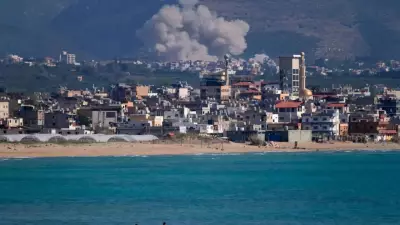
In response, the US military carried out precision strikes on what it described as "Iranian-linked military assets" along the coast. The strikes targeted radar installations and missile batteries, according to defense officials. The operation was authorized by the White House, which cited the need to protect US forces and ensure freedom of navigation in international waters.

Tehran Issues Dire Warning
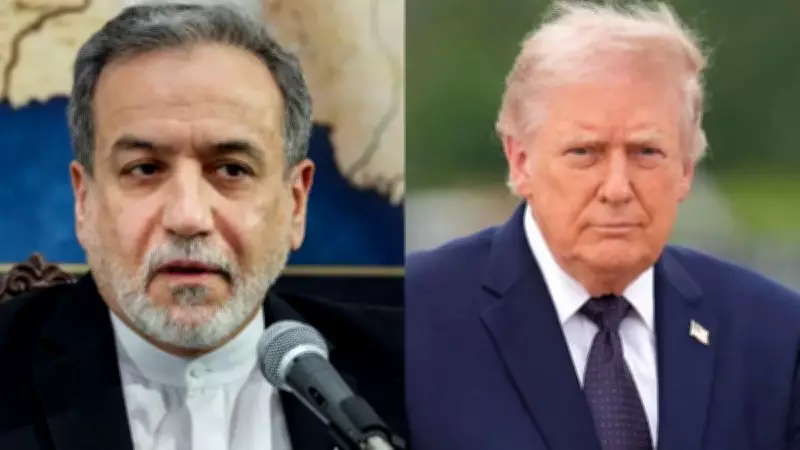
Iran's Foreign Ministry condemned the US strikes as a "flagrant act of aggression" and warned of "severe consequences." In a statement, the ministry said, "Iran will not hesitate to defend its sovereignty and territorial integrity. Any further provocation will be met with a decisive response." The Iranian military has been placed on high alert, with naval units in the Persian Gulf reportedly mobilizing.
The escalation threatens to unravel a ceasefire brokered by the United Nations and Qatar just weeks ago. The truce had brought a temporary halt to hostilities between US-backed forces and Iranian-aligned militias in the region. Diplomatic sources say the latest violence could derail ongoing peace talks, with both sides accusing each other of violations.
Global Concerns Over Oil Supply
The Strait of Hormuz is a vital artery for global energy supplies, with about 20% of the world's oil passing through it daily. The crash and subsequent strikes have sent oil prices soaring, as traders fear a disruption to shipping lanes. The US Navy has increased patrols in the area, and the Pentagon has warned commercial vessels to exercise caution.
International leaders have called for restraint. The UN Secretary-General urged both parties to return to the negotiating table, while the European Union offered mediation. Meanwhile, Russia and China expressed concern over the unilateral US action, warning that it could lead to a wider conflict.
What Happens Next?
As tensions mount, the region braces for possible further escalation. Iran has a history of asymmetric warfare, including cyberattacks and strikes on US allies. The US has reinforced its military presence in the Gulf, including deploying additional fighter jets and naval assets. The coming days will be critical in determining whether the ceasefire can be salvaged or if a new cycle of violence will engulf the region.