

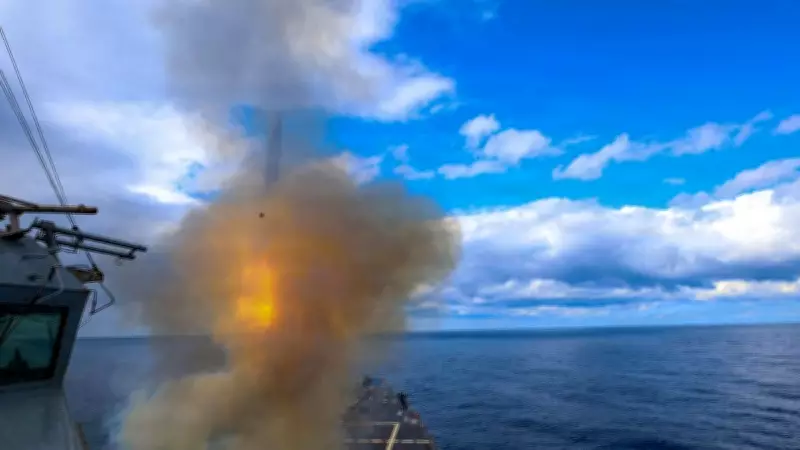
US Tomahawk Missile Stockpile Reportedly Running 'Alarmingly Low' After 850+ Fired in 4 Weeks
Concerns are mounting over the United States' military readiness as reports indicate that the country's stockpile of Tomahawk cruise missiles is running 'alarmingly low' following an intense period of deployment. According to recent assessments, the US has fired over 850 Tomahawk missiles in a span of just four weeks, a figure that has sparked alarm among defense analysts and policymakers.
Escalating Tensions in the Middle East Drive Missile Usage
The surge in missile usage is directly linked to the escalating conflict involving Iran in the Middle East. Since the onset of hostilities, Iran has conducted a series of retaliatory attacks, targeting both Israeli territory and US-linked military bases across the region. These actions have prompted a robust response from the United States, leading to the unprecedented rate of Tomahawk missile launches.
Tomahawk missiles, known for their precision and long-range capabilities, are a cornerstone of US military strategy, particularly in conflicts where surgical strikes are required. The rapid depletion of these assets raises critical questions about the sustainability of current operations and the potential need for replenishment.

Implications for US Military Strategy and Regional Stability
The reported shortage of Tomahawk missiles could have significant implications for US military strategy in the Middle East and beyond. Key points of concern include:
- Operational Limitations: A reduced stockpile may constrain the US's ability to respond swiftly to future threats or escalations in the region.
- Logistical Challenges: Replenishing such a large number of missiles involves complex supply chains and production timelines, which could take months or even years.
- Strategic Vulnerability: Adversaries like Iran might perceive this depletion as a window of opportunity, potentially emboldening further aggressive actions.
- Alliance Dynamics: US allies in the region, who rely on American military support, may grow anxious about the durability of US commitments.
This situation underscores the broader tensions in West Asia, where the US, under the leadership of figures like Donald Trump, has maintained a strong military presence. The conflict with Iran has not only involved direct confrontations but also proxy engagements, making the region a volatile hotspot.
Broader Context and Future Outlook
The news of the Tomahawk missile shortage comes amid ongoing global scrutiny of US foreign policy and defense expenditures. As the world watches developments in the Middle East, the ability of the US to maintain its military edge is under the microscope. Analysts suggest that this could lead to:
- Increased Defense Budgets: Pressure to allocate more funds for missile production and stockpile management.
- Diplomatic Efforts: A potential shift towards diplomatic resolutions to reduce reliance on military assets.
- Technological Investments: Greater focus on developing next-generation missile systems to replace or supplement Tomahawks.
In summary, the firing of over 850 Tomahawk missiles in four weeks highlights the intense nature of the current conflict with Iran and raises urgent questions about US military preparedness. As tensions continue to simmer in the Middle East, the world awaits how the United States will address this critical shortage and its implications for regional and global stability.






