The United States Treasury is set to extend a sanctions waiver on Russian seaborne oil for an additional 30 days, according to a report. The waiver extension was requested by several poor and vulnerable countries that have been cut off from Gulf oil supplies due to the ongoing conflict with Iran and the closure of the Strait of Hormuz, a source revealed.
Background of the Waiver
The original sanctions waiver, which was set to expire, has been a critical mechanism allowing certain nations to continue importing Russian oil despite broader US sanctions. The extension comes amid heightened global energy tensions following the Iran war and the strategic waterway's shutdown, which disrupted oil flows from the Middle East.
Impact on Vulnerable Nations
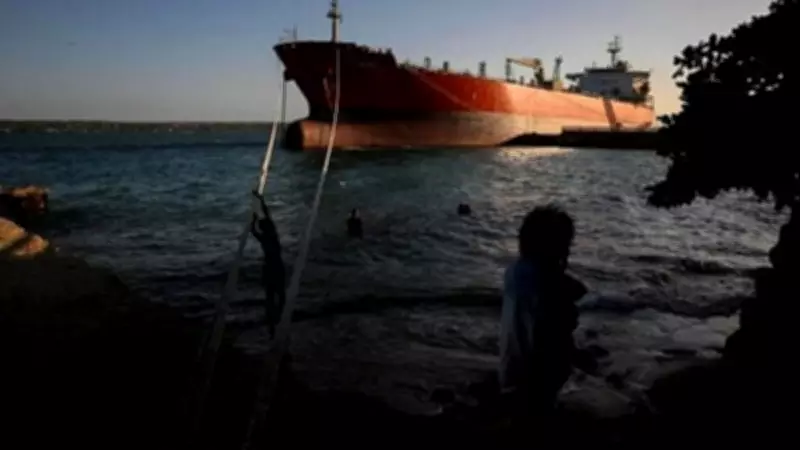
Countries heavily reliant on Gulf oil have faced severe energy shortages since the Strait of Hormuz closure. The waiver enables them to access Russian seaborne oil as an alternative, preventing further economic strain. The source emphasized that these nations have limited options and are particularly vulnerable to price spikes and supply disruptions.

- The waiver extension lasts for 30 days, providing short-term relief.
- It was sought by nations unable to secure Gulf oil due to geopolitical tensions.
- The US Treasury's decision aims to stabilize global energy markets.
Geopolitical Context
The Iran war and the Strait of Hormuz closure have significantly altered global oil trade routes. The US, while maintaining sanctions on Russia, has recognized the need for flexibility to support allied nations facing energy crises. This move balances geopolitical strategy with humanitarian considerations.
The report, originally published by Reuters on May 18, 2026, underscores the complex interplay between sanctions policy and global energy security. The US Treasury has not officially confirmed the extension, but sources indicate it is imminent.