

The Silent Destructor: US 'Tuna Can' Mines Target Iran's Underground Missile Cities
As Middle East tensions reach new heights, Iran has leveled serious allegations against the United States, claiming American forces have deployed specialized anti-tank landmines near critical Iranian missile facilities. The incident, which reportedly caused multiple casualties, represents a significant escalation in the ongoing regional conflict.
Iran's Official Accusation and Evidence
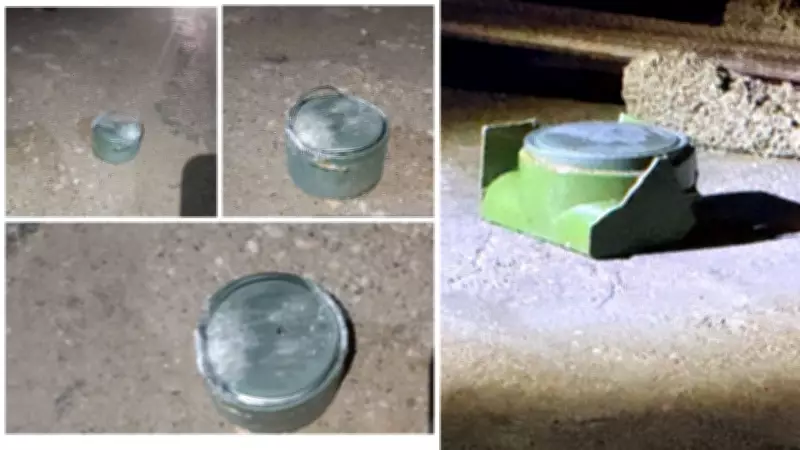
Iran's official Tasnim news agency first reported the incident, stating that explosive devices resembling "ready-made canned food" and "somewhat larger than tuna cans" were scattered in areas near Shiraz, particularly around Kafari village. According to their Telegram post, these packages "detonate after being opened, causing casualties" and have "caused the martyrdom of several people in these areas."
Open-source investigation group Bellingcat provided crucial verification, geolocating some of the devices approximately two kilometers from the entrance to the Shiraz South Missile Base. This facility is part of Iran's network of underground "missile cities" designed to protect launch capabilities from aerial attacks.

Images shared by Iranian media appear to show BLU-91/B scatterable anti-tank landmines, which are part of the US-made 'Gator' mine system. Bellingcat emphasized that "the United States is the only known participant in the conflict that possesses such mines," though independent confirmation of US involvement remains pending.
Strategic Rationale Behind Mine Deployment
Military analysts suggest the deployment serves as an "area denial" tactic specifically targeting Iran's underground missile infrastructure. Despite sustained airstrikes, Iran continues launching missiles across the region thanks to its network of protected facilities that allow storage and movement of launchers while shielding them from aerial bombardment.
"Mining access routes or entrances could achieve multiple objectives," explains one defense analyst. "This approach could block heavy equipment from reopening damaged tunnels, disable or destroy mobile missile launchers, limit their movement, and prevent resupply or repositioning of missile systems."
Even when entrances to these underground facilities are bombed, Iran has demonstrated the capability to reopen or bypass them, making perimeter control through mines a potentially effective supplementary strategy.
Technical Specifications of BLU-91/B 'Gator' Mines
The suspected devices belong to the Gator mine system, which includes both BLU-91/B anti-tank mines and BLU-92/B anti-personnel variants. These are air-delivered using cluster-type dispensers that scatter mines across targeted areas.
- BLU-91 mines are specifically designed to destroy or disable vehicles including tanks and trucks
- They can be programmed to self-destruct after predetermined periods ranging from hours to days
- Unlike anti-personnel mines, BLU-91 variants lack tripwire mechanisms, making them less likely to directly target individuals
- The last confirmed combat use dates to the 1991 Gulf War, with unverified reports from Afghanistan in 2001
Humanitarian and Legal Considerations
The deployment of landmines raises significant humanitarian concerns, particularly regarding potential civilian exposure. Experts note that while Iran's missile facilities are typically located in restricted zones away from urban centers, there remains risk if civilians accidentally trigger devices or handle them without recognizing the danger.
Legal frameworks present a complex picture: while the United States is not party to the Ottawa Convention banning anti-personnel mines, it maintains restrictions on their use. Importantly, anti-tank mines like the BLU-91 fall outside these specific prohibitions.
Some analysts suggest alternative possibilities, noting that while unlikely, Iran could potentially access similar systems through reverse engineering or could deploy replicas for propaganda purposes. However, the technical sophistication and specific characteristics of the Gator system make US origin the most plausible explanation according to weapons experts.

Broader Conflict Implications
This incident occurs within the context of escalating regional hostilities, where targeting Iran's missile infrastructure remains a primary objective for US-led operations. The use of air-dropped mines to deny access to these facilities could represent an emerging tactical approach as conventional airstrikes have shown limited effectiveness against deeply buried targets.
As the conflict continues, several critical questions remain unanswered:
- Whether this mine deployment represents an isolated incident or part of a broader military strategy
- The exact casualty figures and whether any civilians were affected
- How Iran will respond to this new form of pressure on its missile capabilities
- Whether similar tactics might be employed against other Iranian military facilities
The situation continues to develop as both sides navigate this dangerous escalation in military tactics, with the silent threat of "tuna can-sized" mines adding a new dimension to the already volatile Middle East conflict landscape.





