US Deploys Reverse-Engineered 'Kamikaze' Drones in Strategic Strikes Against Iran
In a significant development in the ongoing US-Iran conflict, the United States has adopted a reverse-engineering approach to create a low-cost 'kamikaze' drone, modelled after the Iranian Shahed-136 it previously captured. This move is now being used to deliver targeted strikes on Iranian strategic assets, effectively giving Tehran a taste of its own medicine in drone warfare.
Lucas Drones: A Cost-Effective Solution for US Military Operations
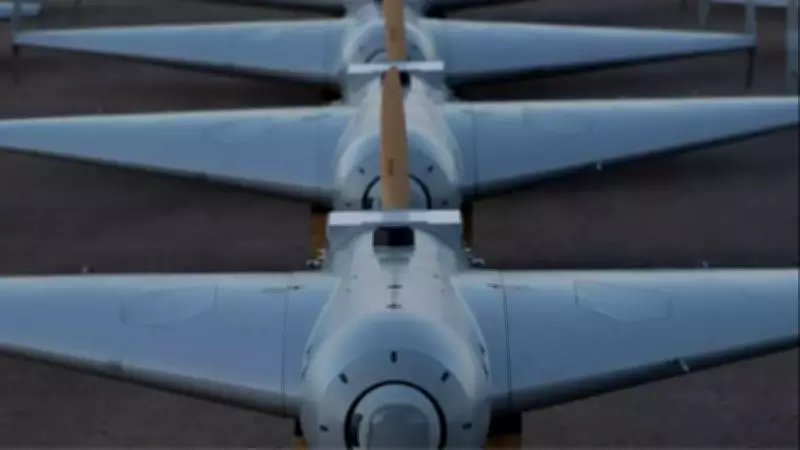
The US's Low-Cost Uncrewed Combat Attack System, known as Lucas drones, has been integrated into recent airstrikes on Iran. CENTCOM officials have confirmed that these drones, produced by Arizona-based SpektreWorks, were used in combat for the first time last week. These autonomous kamikaze drones, designed to mimic Iran's Shahed models, are now serving as a tool for American-made retribution, according to a statement from CENTCOM on social media platform X.
First unveiled in July 2025, the Lucas drone system features an open architecture that allows for flexibility in payloads and communications systems. It can be deployed for strike missions or as a target drone, with launch capabilities from the ground or vehicles. Priced at approximately $35,000 per unit, it represents a stark contrast to the MQ-9 Reaper, which costs between $20 million and $30 million, though the Reaper is reusable and more advanced. CENTCOM chief Admiral Brad Cooper recently emphasized the drone's effectiveness, stating, "Lucas, indispensable" when questioned about its performance.

Pentagon's Drone Dominance Program and Financial Implications
The deployment of Lucas drones aligns with the Pentagon's efforts to rapidly expand American industrial capacity for producing inexpensive, attritable drones. This initiative is part of the $1 billion Drone Dominance Program, authorized under the "One Big Beautiful Bill Act of 2025". Lucas drones are proving to be a cost-effective solution, saving the US significant funds while effectively engaging Iranian targets.
This strategy addresses a critical issue: Iranian drones, costing between $20,000 and $50,000, have been depleting US and allied missile stockpiles. To intercept these low-tech drones, expensive interceptors worth around $3 million each are required, creating a substantial financial strain. Based on research conducted after the conflict erupted, the US military campaign, dubbed 'Operation Epic Fury', has imposed a heavy financial burden, with daily costs estimated at $900 million. The conflict's high-intensity nature, involving extensive use of munitions and naval and air assets, led to an estimated expenditure of $3.7 billion in the first 100 hours alone.
Broader Context and Strategic Significance
The development and use of Lucas drones highlight a shift in US military tactics towards more economical warfare methods. By reverse-engineering Iranian technology, the US is not only countering Tehran's drone capabilities but also leveraging cost advantages to sustain prolonged engagements. This approach underscores the evolving dynamics of modern conflicts, where affordability and innovation play crucial roles in strategic outcomes.
As tensions continue, the deployment of such drones could reshape the landscape of the US-Iran conflict, emphasizing the importance of technological adaptation and financial prudence in military operations.