USS Tripoli Arrives with 3,500 Troops, Fuels Speculation of US Ground Operations in Iran
The United States has dramatically expanded its military footprint in the Middle East with the arrival of the USS Tripoli, carrying 3,500 Marines and sailors. This deployment marks potentially the largest American military buildup in the region in nearly two decades, arriving after nearly a month of escalating conflict involving Iran.
Massive Military Buildup Confirmed
US Central Command (CENTCOM) confirmed the deployment in a social media post, stating that "US Sailors and Marines aboard USS Tripoli (LHA 7) arrived in the US Central Command area of responsibility, March 27." The vessel brings not only personnel but also transport and strike aircraft, along with significant amphibious assault and tactical capabilities.
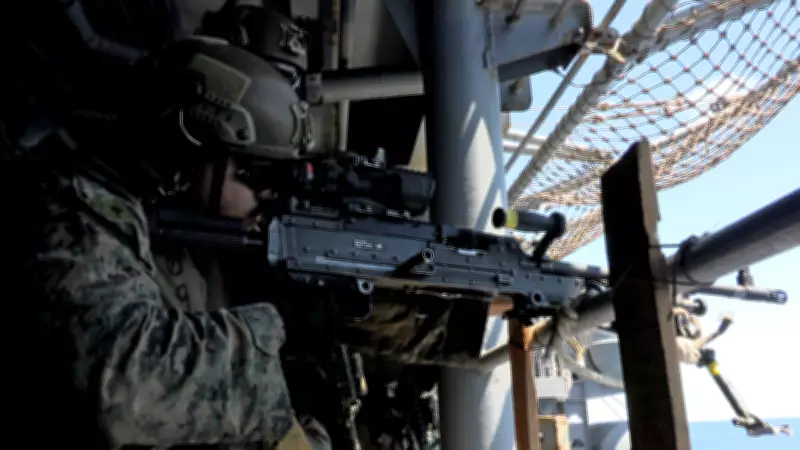
Images released by CENTCOM show Marines in full combat gear, highlighting the operational readiness of this substantial reinforcement. The Tripoli group adds to approximately 50,000 US troops already stationed across the Middle East, significantly strengthening Washington's military presence.

Strategic Redeployment from Asia
The USS Tripoli, typically based in Japan with elements of the 31st Marine Expeditionary Unit, had been conducting exercises near Taiwan before being redirected to the Middle East about two weeks ago. In a parallel strategic move, the US has also ordered the USS Boxer and two additional ships, along with another Marine Expeditionary Unit, from San Diego to the region.
This coordinated deployment creates a formidable military footprint that analysts suggest gives the US administration greater flexibility in responding to developments in the conflict that escalated after US-Israeli strikes on Iran began on February 28.
Ground Operation Speculation Intensifies
The scale and timing of this deployment have intensified speculation that Washington may be preparing for possible ground operations inside Iran. American media reports suggest the additional forces are likely to be positioned within striking distance of Iran, including near Kharg Island, a crucial oil export terminal off the Iranian coast.
This speculation persists despite US President Donald Trump repeatedly stating he does not intend to commit troops to combat on Iranian soil. The troop buildup allows the US to maintain pressure while keeping multiple strategic options open, ranging from deterrence to direct engagement if required.
Mixed Signals from Washington
While the military deployment points to increased preparedness, the US administration has maintained that diplomatic efforts are ongoing. President Trump has indicated that talks with Tehran are underway, even as military assets continue to be mobilized.
This creates a complex strategic picture where military pressure coexists with diplomatic overtures. The exact basing locations for the reinforcements remain unclear, as does whether they will be directly involved in combat operations.
Iran Issues Stark Warning
Amid the growing US military presence, Iran has issued a sharp warning through its English-language daily Tehran Times. The newspaper carried a front-page message directed at Washington under the headline "Welcome To Hell," stating that any US troops entering Iranian territory would "leave only in a coffin."
This stark warning underscores the escalating tensions in the region and the potential consequences of any ground incursion. The Iranian response highlights the volatile nature of the current situation and the high stakes involved for all parties.
The USS Tripoli deployment represents a significant escalation in US military posture in the Middle East, creating both strategic opportunities and potential risks as tensions with Iran continue to simmer. The coming weeks will reveal whether this buildup leads to diplomatic breakthroughs or further military confrontation.