Relations between Venezuela and the United States have plunged to a new low following explosive accusations from Caracas. The Venezuelan government has publicly charged the US with carrying out attacks on its civilian and military installations, marking a severe escalation in long-standing bilateral tensions.
Caracas Levels Serious Allegations
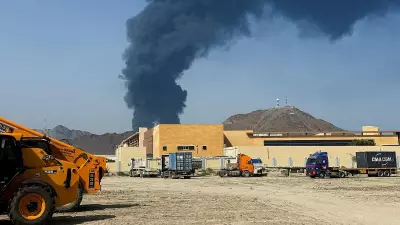
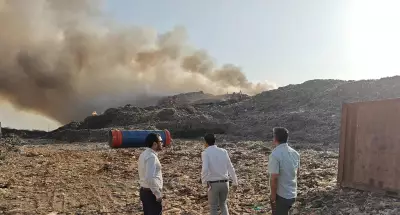
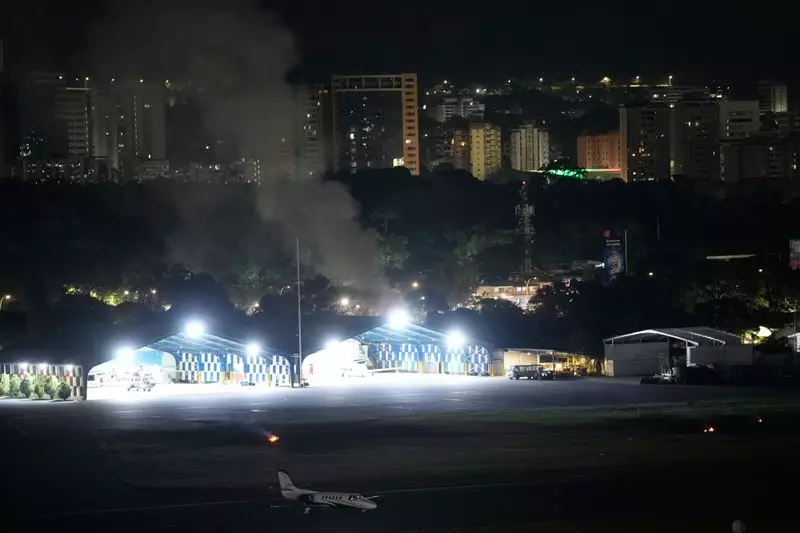
Venezuelan authorities made the startling claim that the United States was behind a series of assaults on the nation's infrastructure. According to the allegations, these attacks targeted sites across multiple states within Venezuela. The government did not provide immediate visual evidence but framed the incidents as a direct act of aggression violating international law and Venezuela's sovereignty.
Officials in Caracas stated that the alleged operations were aimed at both military facilities and civilian infrastructure. This broad scope of targeting, if proven, would represent a significant and dangerous provocation. The Venezuelan narrative positions these events as part of a continued campaign of pressure from Washington against the administration of President Nicolás Maduro.

Context of a Fraught Relationship
This incident did not occur in a vacuum. For years, the relationship between the US and Venezuela has been intensely hostile. The United States has been a leading voice in not recognizing Maduro's 2018 re-election, instead backing opposition leader Juan Guaidó as interim president for a significant period. Washington has also imposed crippling economic sanctions on Venezuela's vital oil industry, aiming to force a political change.
Venezuela has consistently denounced these measures as illegal and a form of economic warfare. The latest accusation of physical attacks takes the confrontation beyond the realms of diplomacy and sanctions into a more overtly military sphere. Analysts suggest this rhetoric could be used by Caracas to rally domestic support and justify further internal security measures.
International Reactions and Next Steps
The international community is likely to watch the developments with deep concern. Regional bodies and global powers are now faced with assessing Venezuela's claims. The United States is expected to issue a strong denial, potentially labelling the accusations as misinformation or a diversion tactic by the Maduro government.
The immediate consequences are multifaceted. Firstly, it freezes any slim chance of diplomatic dialogue in the near future. Secondly, it raises the risk of miscalculation or an accidental clash. Thirdly, it could influence the positions of other nations in Latin America, forcing them to choose sides in a rapidly escalating dispute. The situation adds another layer of instability to a region already facing numerous challenges.
The core facts remain: Venezuela has formally accused the US of launching attacks on its soil. The US denies these claims. The verbal war has reached a new, more dangerous pitch, with direct implications for regional security and global geopolitics. The world now awaits the next move from both capitals and the evidence, if any, that will be presented to support these grave allegations.