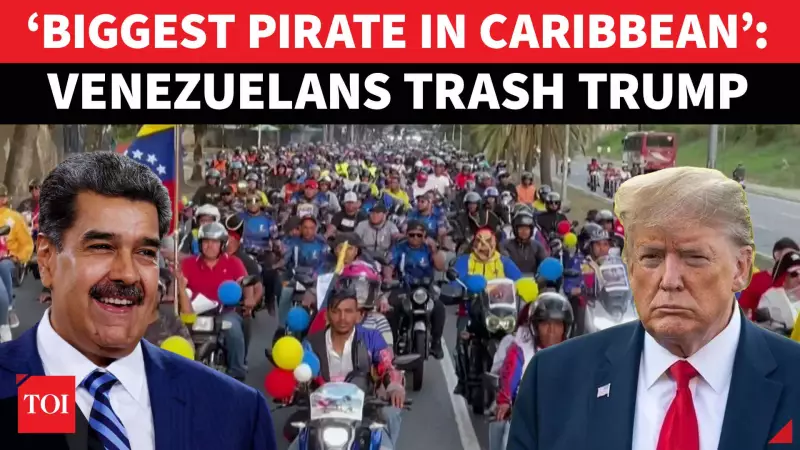
In a dramatic display of defiance, dozens of motorcyclists dressed as pirates roared through the streets of Caracas, Venezuela, on December 24, 2025. Their target was clear: the United States government and President Donald Trump, whom they branded an "oil thief." The protest was a direct response to a U.S. order to seize Venezuelan oil tankers as part of a blockade targeting sanctioned vessels.
Pirate Protests and Accusations of Piracy
The protesters vehemently accused Washington of engaging in "piracy" on the high seas, vowing to defend Venezuela's national sovereignty at all costs. This theatrical demonstration underscores the deepening animosity between the two nations, which has now spilled onto the streets of the Venezuelan capital. The core of the dispute lies in Washington's recent actions to confiscate oil tankers near Venezuela's waters, coupled with its demand for Caracas to return assets it had previously taken from U.S. oil companies.
A Sharp Warning to Trinidad and Tobago
As tensions escalated, Venezuelan Interior Minister Diosdado Cabello issued a stark warning to the neighboring nation of Trinidad and Tobago. He cautioned the island nation against permitting U.S. military operations to be launched from its territory. Cabello's rhetoric was pointed and threatening, indicating that Venezuela would retaliate if it came under attack. This warning marks a significant intensification of the diplomatic and military standoff, potentially drawing other Caribbean nations into the fray.

Warships, Sanctions, and Rising Tensions
The Caribbean Sea is now a theatre of heightened geopolitical risk. The situation is defined by a triad of pressure tactics: the visible presence of U.S. warships chasing tankers, the economic stranglehold of ongoing sanctions, and an increasingly sharp exchange of words between the two governments. The combination of these elements has created a volatile mix, with the potential for miscalculation running high. The Venezuelan government, led by President Nicolás Maduro, has framed this conflict as a battle for its sovereign rights over its natural resources, while the U.S. portrays its actions as enforcement of international sanctions and law.
The seizure of oil tankers is not an isolated incident but part of a broader strategy. It follows a pattern of Washington tightening the noose around the Maduro administration, which it considers illegitimate. For Venezuela, already grappling with severe economic challenges, the loss of oil revenue from these seizures strikes at the heart of its economy. The situation remains fluid and dangerous, with both sides showing no signs of backing down, setting the stage for further confrontation in the vital waterways of the Caribbean.