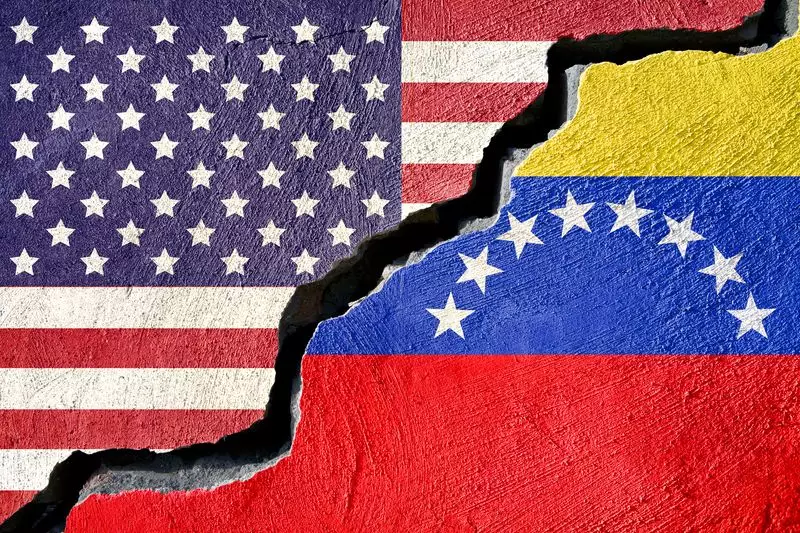
The simmering nuclear ambitions of Venezuela, facilitated by strategic partnerships with Iran and Russia, have cast a harsh spotlight on the crumbling foundations of the global non-proliferation regime. A recent analysis suggests that the Nuclear Non-Proliferation Treaty (NPT), the cornerstone of international efforts to prevent the spread of atomic weapons for over five decades, is increasingly seen as unfit to address modern geopolitical realities.
The Caracas-Tehran-Moscow Axis: A New Proliferation Challenge
At the heart of this concern lies Venezuela's deepening cooperation with two states that have long challenged the NPT's norms. Under the leadership of President Nicolás Maduro, Venezuela has actively sought nuclear technology from Iran, a country accused of violating the treaty's safeguards, and from Russia, a nuclear-armed NPT member whose actions in Ukraine have destabilised international security. This tripartite relationship moves beyond energy deals into the sensitive realm of nuclear research and infrastructure.
Reports indicate that Venezuela and Iran signed a 20-year strategic cooperation plan, with nuclear energy featuring as a potential component. Furthermore, Russia's state nuclear corporation, Rosatom, has been involved in discussions about reviving Venezuela's long-dormant nuclear power program. These collaborations underscore a troubling trend: states are increasingly bypassing traditional non-proliferation channels, forming alliances that erode the NPT's authority and create new pathways for sensitive technology transfer.

Why the NPT is Struggling to Keep Pace
The treaty's growing irrelevance stems from several structural and political failures. Firstly, the NPT is built on a fundamental bargain: non-nuclear states forswear weapons in exchange for access to peaceful nuclear technology and a commitment from nuclear-armed states to disarm. This second pillar has spectacularly failed. The five original nuclear powers—the US, Russia, China, France, and the UK—have made negligible progress towards eliminating their arsenals, undermining the treaty's moral authority and giving non-nuclear states little incentive to remain compliant.
Secondly, the enforcement mechanism is weak. The International Atomic Energy Agency (IAEA) can inspect declared sites but lacks the power to conduct robust, challenge inspections everywhere. Nations like Iran and North Korea have demonstrated how the system can be manipulated or outright defied. The case of Venezuela highlights another loophole: the treaty does not effectively regulate cooperation between non-nuclear states, allowing for the potential sharing of dual-use technology under the guise of peaceful research.
Global Implications and the Path Forward
The Venezuelan situation is not an isolated incident but a symptom of a broader crisis. It signals to other nations that the benefits of NPT membership are diminishing while the costs of pursuing independent nuclear capabilities, or aligning with rogue proliferators, are lowering. This creates a dangerous domino effect, threatening a new wave of proliferation in unstable regions.
Experts argue that mere rhetorical commitment to the NPT is insufficient. The international community, particularly the treaty's custodians, must undertake serious reform. This includes:
- Reviving meaningful nuclear disarmament talks among the major powers to restore faith in the treaty's core bargain.
- Strengthening the IAEA's mandate and resources to conduct more intrusive and timely inspections.
- Creating stricter controls on nuclear technology transfers, especially to states with questionable compliance records.
- Developing coherent strategies to address the role of non-state actors and strategic alliances in proliferation networks.
Without such decisive action, the world risks entering a new, more chaotic era of nuclear insecurity. The Venezuela example serves as a stark warning: a treaty designed for the Cold War is ill-equipped to manage the complex, multi-polar threats of the 21st century. The failure to adapt could have consequences far beyond the borders of any single nation, making the urgent reform of the global non-proliferation architecture not just a diplomatic goal, but a imperative for human survival.