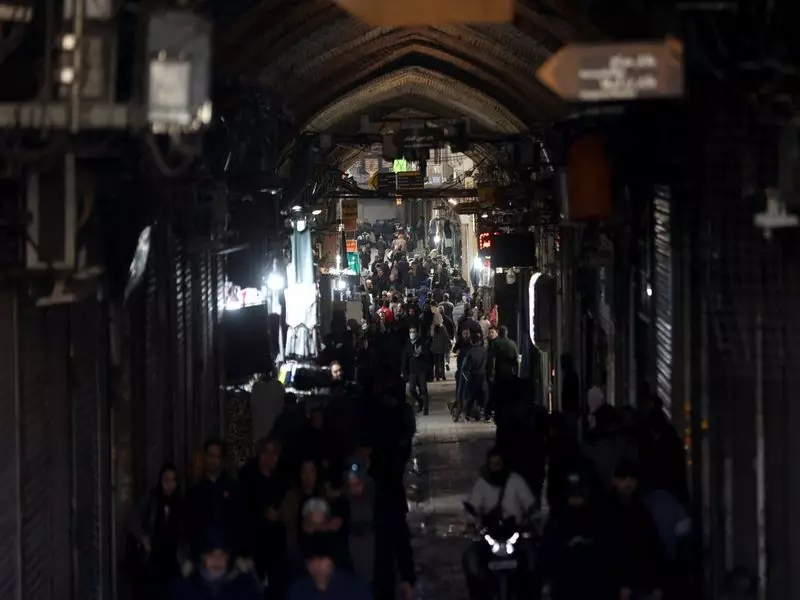
Iran has been rocked by a fresh wave of violent protests, with citizens taking to the streets in several cities to voice their fury over the country's rapidly deteriorating economic conditions. The unrest, marked by clashes between demonstrators and security forces, underscores the deep-seated public discontent fueled by inflation, currency devaluation, and soaring prices of essential goods.
Widespread Unrest and Government Crackdown
The protests erupted spontaneously across multiple urban centres. In the capital Tehran, angry crowds gathered at the iconic Ferdowsi Square, chanting slogans against the government's economic policies. Similar scenes unfolded in other major cities including Karaj, Isfahan, and Shiraz, where demonstrators blocked roads and set fires in the streets. The situation quickly escalated as security forces moved in to disperse the gatherings.
According to reports from local sources and human rights groups, the response from authorities was swift and severe. Security personnel employed tear gas and made dozens of arrests in an attempt to quell the demonstrations. There were also unverified reports of live ammunition being used in some areas, though official channels have denied these claims. The government has blamed "foreign agents" and "counter-revolutionaries" for instigating the violence, a narrative it often uses during domestic unrest.

The Root Cause: A Crumbling Economy
The immediate trigger for the latest outburst of public anger is the catastrophic fall in the value of the Iranian rial. The national currency has been in a freefall, losing significant value against major foreign currencies like the US dollar. This depreciation has a direct and painful impact on the daily lives of ordinary Iranians, making imported goods and basic necessities prohibitively expensive.
The economic misery is compounded by years of stringent international sanctions, mismanagement, and corruption. Inflation is rampant, unemployment is high, and the prices of staples such as bread, cooking oil, and dairy products have skyrocketed. For many families, making ends meet has become an impossible struggle, pushing their patience to a breaking point. The protests, therefore, are not just about economic hardship but represent a broader loss of faith in the ruling establishment's ability to govern effectively.
Historical Context and Future Implications
This is not the first time Iran has witnessed such large-scale protests. The country saw a major wave of anti-government demonstrations in 2022 following the death of Mahsa Amini, which morphed into a broader challenge against theocratic rule. While the current protests appear to be primarily economically motivated, the underlying demand for political change and accountability remains a potent force.
The government's strategy of combining a security crackdown with promises of economic reform has done little to address the core issues. Analysts warn that without tangible improvements in living standards, Iran could see more frequent and potentially more violent episodes of civil unrest. The situation poses a significant challenge to the stability of the regime, which is already grappling with intense geopolitical pressures and isolation on the world stage.
As the dust settles on the latest clashes, the fundamental problems persist. The Iranian rial continues its downward spiral, and the international sanctions regime shows no sign of easing. For the people of Iran, the path forward looks fraught with economic pain and social tension, setting the stage for further confrontation between a frustrated populace and a determined state apparatus.