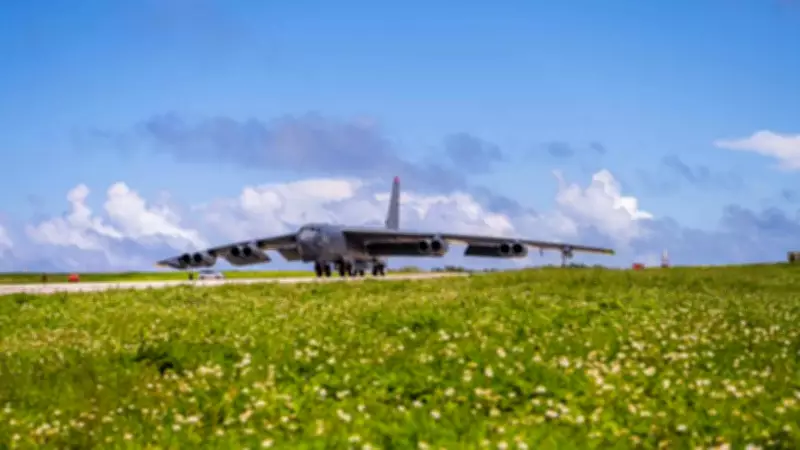
In an age dominated by supersonic stealth fighters and radar-evading bombers like the B-2, with the United States developing the B-21 Raider for deep strikes, one might question the relevance of large, slow-moving bombers that resemble airliners. Yet America's B-52 Stratofortress, Russia's Tu-95 Bear and China's H-6 (a derivative of the Tu-16) continue to operate alongside supersonic types such as the American B-1 Lancer and Russian Tupolev Tu-22M and Tu-160. Their sheer size, extensive range and substantial payload allow them to project power in ways that smaller, stealthier aircraft cannot.
Vulnerabilities in Modern Combat
The B-52 and Tu-95 face significant dangers in contemporary warfare. Both are large, slow-moving strategic bombers with radar signatures that render them susceptible to advanced air-defence systems, including long-range surface-to-air missiles and modern fighter jets. Their subsonic speeds and older airframes also expose them to electronic warfare, cyber disruptions and precision-guided weapons. Operating in contested airspace against stealth fighters or integrated air-defence networks would be particularly hazardous, reducing their survivability without robust escort and support.
Why They Remain in Service
Despite these vulnerabilities, the United States, Russia and China continue to operate the B-52, Tu-95 and H-6 because they excel in roles that leverage their strengths. Their long range and heavy payload capacity enable them to deliver large volumes of conventional or nuclear weapons, including cruise missiles launched from outside hostile air-defence zones—weapons too large for many smaller aircraft. Modern upgrades in avionics, communications and weaponry have kept them relevant, allowing standoff strikes and integration into networked warfare. They are also cost-effective compared to developing entirely new fleets, offering proven reliability and endurance for global missions.

Strategic Importance
Ultimately, their ability to project power, serve as nuclear deterrents and adapt to evolving technologies ensures these venerable bombers remain central to strategic air forces. While they may seem outdated, their unique capabilities guarantee their continued role in modern military operations.