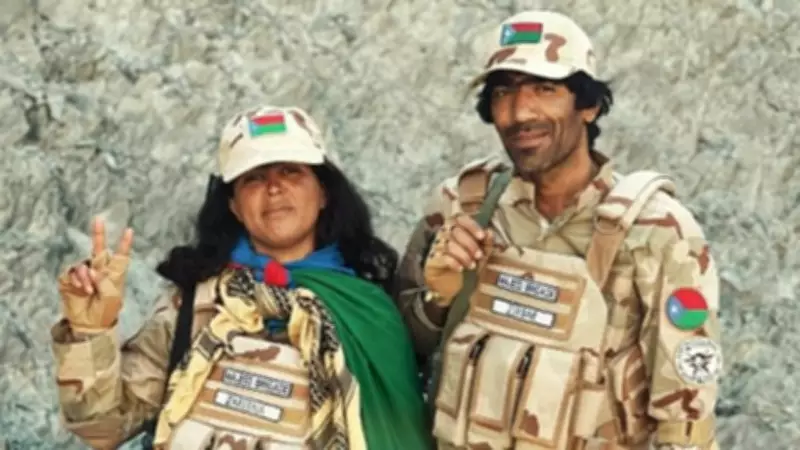
Women Suicide Bombers and Advanced US Weapons Intensify Pakistan Insurgency
The security landscape in Pakistan is facing a significant escalation as insurgent groups adopt new tactics and acquire sophisticated weaponry. A concerning development is the increasing involvement of women as suicide bombers, marking a strategic shift that poses fresh challenges for counter-terrorism operations.
Military Seizures Reveal Scale of Advanced Armaments
According to official statements from Pakistan's military, authorities recovered a substantial cache of advanced weapons by June of last year. The seized items included 272 rifles manufactured in the United States and 33 night vision devices. These recoveries underscore the enhanced capabilities of militant factions operating within the country's borders.
These weapons were intercepted apart from the armaments confiscated during the most recent series of attacks in the volatile Balochistan province. The presence of US-made equipment suggests potential illicit arms trafficking networks or diversion from regional conflicts, complicating Pakistan's internal security dynamics.

Strategic Shift: Female Suicide Bombers Emerge as New Threat
Insurgent groups have reportedly begun deploying women as suicide bombers, a tactic that represents a dangerous evolution in their operational methods. This approach allows militants to bypass traditional security screenings more easily, as women are often subjected to less rigorous checks in conservative social contexts.
The utilization of female operatives in suicide missions indicates a calculated effort to maximize casualties and psychological impact. Security analysts note that this development requires immediate adaptation of counter-terrorism protocols and intelligence-gathering techniques to address the changing threat profile.
Balochistan Remains Epicenter of Militant Activity
The province of Balochistan continues to be a focal point for insurgent violence, with recent attacks demonstrating the lethal combination of new personnel tactics and improved weaponry. The region's strategic importance, coupled with its complex ethnic and political tensions, makes it particularly vulnerable to sustained militant campaigns.
Military operations in Balochistan have intensified in response to these developments, but the recovery of advanced American-made rifles and night vision equipment suggests insurgents retain significant logistical support and funding channels.
Security Implications and Regional Concerns
The convergence of female suicide bombers and sophisticated Western weaponry presents a multifaceted security challenge for Pakistan. Key implications include:
- Enhanced Lethality: Night vision devices enable nighttime operations, while advanced rifles increase accuracy and firepower.
- Operational Flexibility: Women bombers allow insurgents to target previously secure locations and events.
- Intelligence Gaps: Traditional profiling methods may be inadequate against this evolved threat matrix.
- Regional Stability: The proliferation of US-made arms raises questions about weapons diversion and cross-border security cooperation.
As Pakistan confronts this intensified insurgency, military and intelligence agencies are reportedly revising their strategies to counter both the tactical innovations and the improved armaments now available to militant groups. The situation remains fluid, with security forces working to dismantle networks supplying both personnel and weapons to destabilize the region.