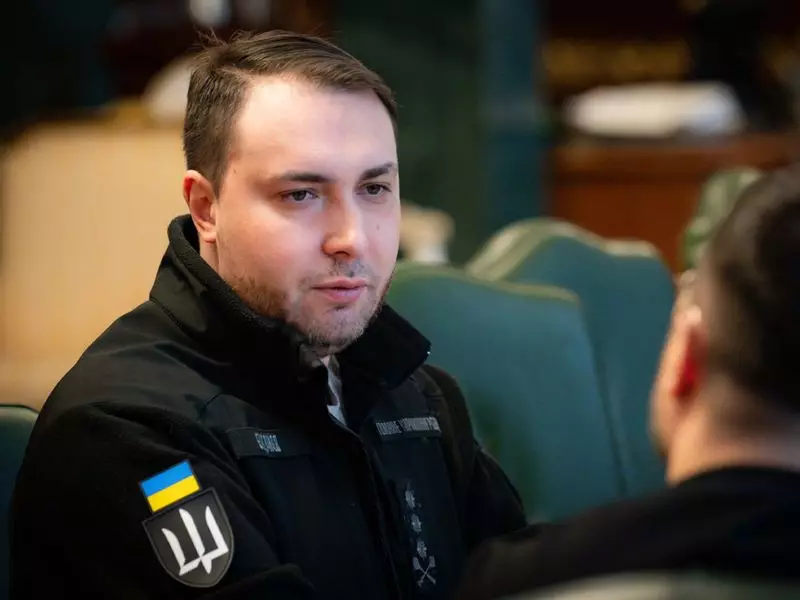
In a dramatic and high-stakes move, Ukrainian President Volodymyr Zelenskyy has overhauled his country's military leadership. He has appointed the head of military intelligence, the young and aggressive Lt Gen Kyrylo Budanov, as the new commander-in-chief of the armed forces. This pivotal decision comes as Ukraine seeks to reset its war strategy against Russia and amid growing international calls for a diplomatic resolution.
A Major Leadership Reshuffle Amidst War
The sweeping changes were announced on Thursday, marking one of the most significant leadership overhauls since the full-scale Russian invasion began nearly two years ago. The most prominent figure to be replaced is the highly popular General Valerii Zaluzhnyi, who had served as the top military commander since the war's outset. General Zaluzhnyi, often called the "Iron General," has been appointed as Ukraine's new ambassador to the United Kingdom.
This reshuffle is not limited to the top post. President Zelenskyy also replaced the chief of the general staff, General Serhii Shaptala. He appointed Major General Anatolii Barhylevych to this crucial position. Furthermore, the President appointed new commanders for the Ukrainian Ground Forces, the Territorial Defence Forces, and the combined forces.

The appointment of 38-year-old Kyrylo Budanov is seen as a bold and symbolic shift. As the long-serving chief of the Main Directorate of Intelligence (GUR), Budanov has been associated with daring covert operations deep inside Russian-occupied territory and even within Russia itself. His agency has been linked to attacks on bridges in Crimea, strikes on Russian naval assets, and sabotage campaigns.
The Context: Stalled Counteroffensive and a Push for Peace
This leadership change comes at a critical juncture in the conflict. Ukraine's much-anticipated 2023 summer counteroffensive failed to achieve a decisive breakthrough against heavily fortified Russian lines. The battlefield has largely settled into a gruelling war of attrition, with high casualties on both sides.
Internationally, there is a growing discourse around potential peace negotiations. Swiss officials have announced that a high-level peace conference on the war in Ukraine is likely to be held by this summer. This global push for diplomacy adds another layer of complexity to Zelenskyy's decision.
Analysts suggest that by appointing Budanov, Zelenskyy is signalling a potential shift in strategy—from large-scale conventional warfare to a more asymmetric, intelligence-driven campaign aimed at exhausting Russian forces. "We must make this war as costly as possible for the enemy," a Ukrainian official was quoted as saying, reflecting this potential new approach.
Implications and the Road Ahead
The removal of General Zaluzhnyi, a national hero with immense public trust, carries political and morale risks. However, Zelenskyy's administration has emphasized the need for "renewal" and a fresh perspective to tackle the new realities of the war.
The new commander-in-chief, Kyrylo Budanov, now faces immense pressure. His challenges are monumental: bolstering Ukraine's defensive lines, managing a critical shortage of ammunition and personnel, and coordinating with Western allies for sustained military aid. His experience in unconventional warfare will be tested on the conventional battlefield.
This reshuffle also sets the stage for Ukraine's posture in any future peace talks. A leadership more aligned with the President's vision could allow for a more unified negotiating stance, should formal diplomacy begin. For now, the message from Kyiv is clear: the fight continues, but the methods may evolve.
The world will be watching closely to see if this gamble on new military leadership can reinvigorate Ukraine's efforts and alter the course of Europe's largest conflict since World War II.