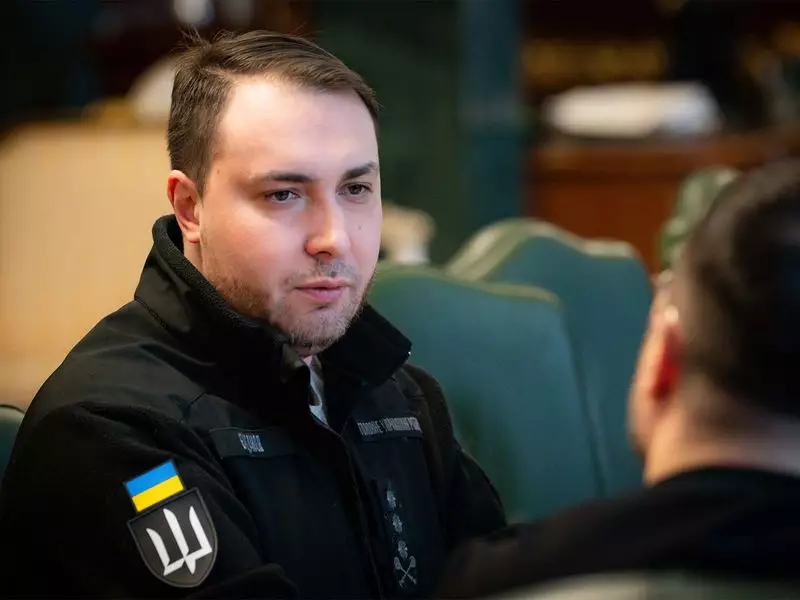
In a significant administrative shake-up, Ukrainian President Volodymyr Zelenskyy has appointed the country's military spy chief, Kyrylo Budanov, as a top aide. This move sees Budanov replacing Andriy Yermak in a key advisory role, marking a major shift in the presidential office's inner circle.
A Strategic Reshuffle Amidst Scandal
The presidential decree, announced on Friday, formalises the appointment of Lieutenant General Kyrylo Budanov, head of the Main Directorate of Intelligence (GUR), as an aide to the President. This decision comes in the wake of a corruption scandal that has rocked the administration. Andriy Yermak, who served as the head of the President's Office, has been removed from his position as a top aide, though he retains his role as Chief of Staff. The reshuffle is widely seen as a strategic response to internal pressures and the ongoing demands of managing the war against Russia.
Key Players: Budanov and Yermak
Kyrylo Budanov, at 38 years old, is a prominent and often controversial figure. As the chief of military intelligence, he has been associated with bold operations, including drone strikes deep inside Russian territory and attacks on Crimea. His elevation to a direct advisory role under President Zelenskyy signals a potential hardening of strategic counsel at the highest level.

Andriy Yermak, a long-time confidant of Zelenskyy, has been a central figure in Ukraine's wartime leadership, often involved in diplomacy and high-level negotiations. His removal from the aide position follows allegations of corruption within the Security Service of Ukraine (SBU), which reportedly involved the former head of the SBU's internal security department and Yermak's deputy. While Yermak himself has not been accused of wrongdoing, the scandal has prompted this notable demotion in his formal advisory capacity.
Context and Implications
This personnel change occurs against a backdrop of intense conflict and internal scrutiny. Ukraine continues to battle Russian forces, and maintaining domestic morale and international support requires a perception of clean governance. The corruption scandal threatened to undermine this, making a visible change in the presidential office almost inevitable.
The appointment of a military intelligence chief to a top political advisory role is a notable development. It suggests President Zelenskyy may be seeking to integrate military and security insights more directly into his core decision-making process. Whether this leads to a shift in Ukraine's wartime strategy or diplomatic posture remains to be seen. For now, the message is clear: the administration is reacting to internal challenges while reinforcing its commitment to its military leadership during a pivotal time.