

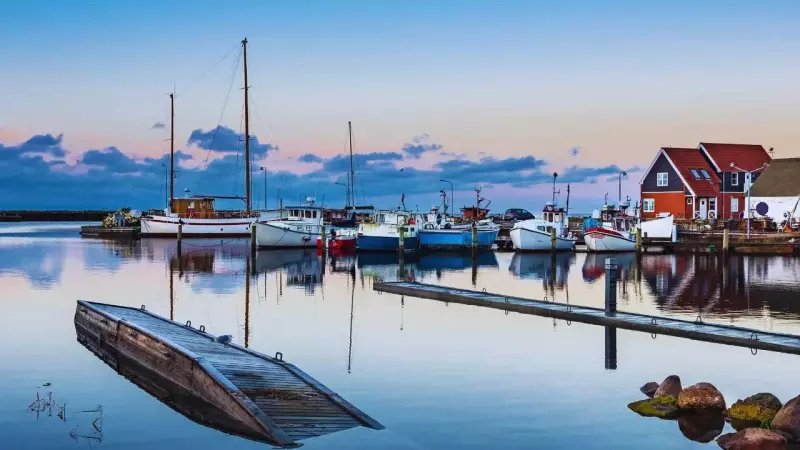
How many countries exist in the world? The answer, surprisingly, is not as straightforward as it seems. It hinges on the very definition of a sovereign nation. The most commonly accepted benchmark is membership in the United Nations (UN), along with its observer states. By this measure, the world comprises 195 independent countries—193 full UN member states plus two non-member observer states.
The Intrigue of Country Names and a Singular 'K'
However, the complexities of history, politics, and geography—including decolonization, breakaway regions, and disputed territories—mean other counts can stretch this number to around 197 or more. With so many nations, a vast diversity in names is inevitable. While many follow familiar patterns ending in "-ia," "-land," or "-stan," a few stand out as linguistic anomalies. Some start with rare letters, like Qatar being the only one beginning with 'Q' in English. Others conclude with unusual letters. In one very specific case, a country's name ends with the letter 'k'. And that country is Denmark.
According to comprehensive lists of nation names sorted by their final letter, Denmark stands alone. This European nation, part of the Nordic region, boasts a heritage tracing back to the formidable Viking era. Over centuries, it evolved into a significant maritime power, building a rich legacy of seafaring, trade, and exploration that continues to shape its modern identity.

More Than a Name: Denmark's Global Standing
Despite not being large in geographical area, Denmark consistently punches far above its weight on the global stage. It is a perennial frontrunner in global indices measuring happiness, prosperity, and quality of life. The country is celebrated for its robust social welfare system, strong governance, and deep-seated egalitarian values. Danes enjoy extensive access to healthcare, education, and social security, underpinned by a societal emphasis on equality, transparency, and civic trust.
In recent years, Denmark has also emerged as a global leader in sustainability and green initiatives. It is a pioneer in wind energy, boasts bicycle-friendly cities, and implements ambitious policies to reduce its carbon footprint, setting a benchmark in environmental stewardship.
The Story Behind the 'K': Language, History, and Identity
At first glance, Denmark's unique terminal 'k' might seem like a trivial piece of trivia. But such naming oddities reveal fascinating intersections of language, history, and geography. Country names are not arbitrary; they are born from local languages, historical influences, colonial pasts, and evolving national identities.
A name ending in "-stan" points to Persian and Central Asian roots, while "-land" often hints at European or colonial naming conventions. Denmark's "-k" is a linguistic marker of its ancient lineage, derived from the Old Norse "Danmǫrk," meaning "the march (or borderland) of the Danes." For quiz enthusiasts, students, and curious minds, noticing these patterns enriches our appreciation of the world's incredible diversity. It serves as a reminder that behind every country name lies a deep and unique story of culture, history, and people.
Beyond its name, Denmark's cultural contributions are vast, from the timeless fairy tales of Hans Christian Andersen to its iconic design and architecture, and from its acclaimed modern cuisine to its vibrant arts scene. As a nation deeply integrated into international frameworks, Denmark actively participates in global diplomacy, trade, and cultural exchange, playing a key role in shaping critical conversations on climate change, human rights, and global development.






