







Politics

Trump Says Would Be 'Honored' to Meet Iran's New Supreme Leader
U.S. President Donald Trump expressed willingness to meet Iran's new Supreme Leader, suggesting negative portrayals of public figures are often inaccurate despite tensions.


World

Rubio's Praise Backfires as Trump Appears to Doze Off in Oval Office
U.S. President Donald Trump appeared to briefly doze off during an Oval Office event, reigniting online speculation about his energy levels days after Secretary of State Marco Rubio said he 'never rests.'



Entertainment

Gurgaon Man Earns Rs 40 Lakh a Year, Drives BMW, Yet Feels Poor: Modern Poverty
A Gurgaon professional earning Rs 40 lakh annually and driving a BMW reveals he feels poor due to high expenses and lifestyle inflation, highlighting modern urban poverty.



Business
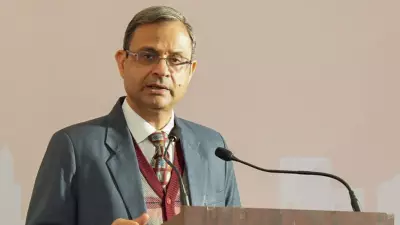
RBI MPC Keeps Repo Rate Unchanged at 6.50% for 2026
The RBI MPC kept repo rate unchanged at 6.50% in its June 2026 meeting, focusing on inflation control and growth support.




Lifestyle





Technology
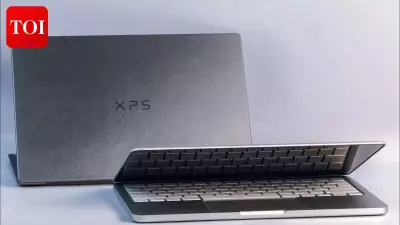
Dell XPS 13 at $699: A Windows Rival to MacBook Neo
Dell's new XPS 13 weighs just a kilogram, features a 120Hz display, and starts at $699, directly competing with Apple's MacBook Neo in the budget premium segment.

Leaked 'Masters of the Universe' Scene Teases She-Ra
A leaked post-credits scene from 'Masters of the Universe' reveals She-Ra, sparking sequel buzz. The clip shows Adora's transformation, with actress Lauren Saliu confirmed in the role.

Metro Commuting Boosts Physical Activity, IISc Study Finds
An IISc study reveals that using Bengaluru's Yellow Line metro significantly increases physical activity, combating sedentary lifestyles, especially among young adults.
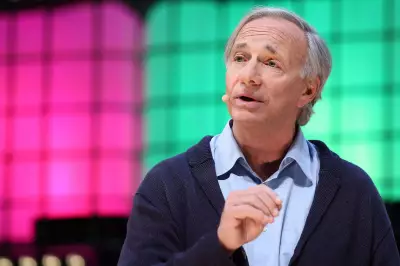
Dalio Warns US AI Firms Risk Falling Behind China on Profit Focus
Billionaire investor Ray Dalio cautions that American AI companies like OpenAI and Anthropic may lag behind Chinese rivals because of their emphasis on profitability over accessibility.
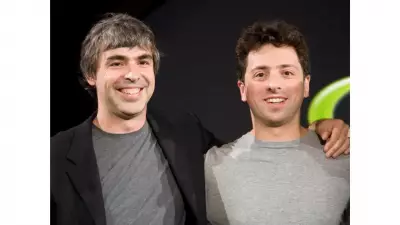
Google founders lose $10B each in Alphabet AI stock sale
Larry Page and Sergey Brin each saw $10 billion wiped from their net worth as Alphabet shares fell 3.8% on plans to raise $80 billion for AI expansion through stock sales and private investments.
