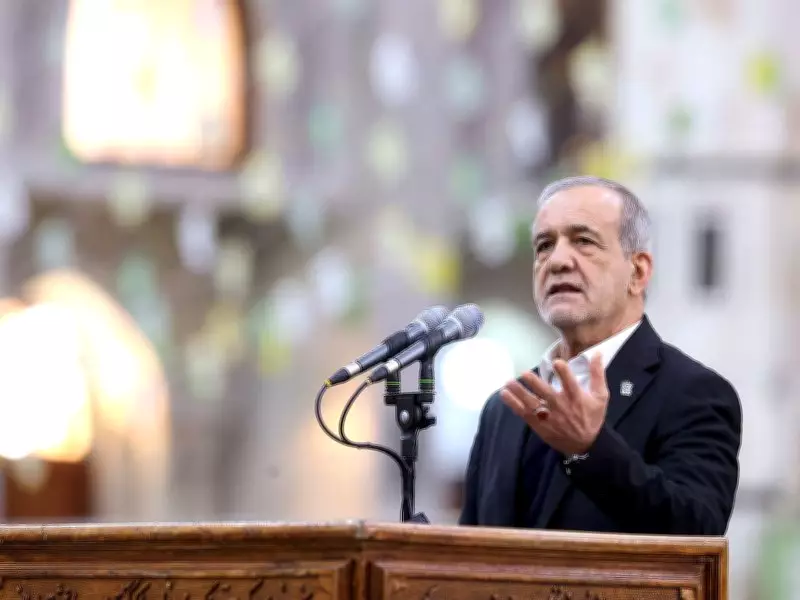
Iranian President Ebrahim Raisi has stated that the United States' naval blockade of Iranian ports is an extension of military operations. This statement comes as the US Central Command (CENTCOM) directed 44 commercial vessels to turn around, escalating tensions in the region.
Iran's Accusation
President Raisi accused the US of using the naval blockade as a tool to exert pressure on Iran beyond military means. He emphasized that such actions violate international law and threaten regional stability. The Iranian government views this as a continuation of hostilities under the guise of maritime security.
US CENTCOM's Directive
According to reports, CENTCOM ordered 44 commercial ships to reverse course, effectively blocking access to Iranian ports. The directive aims to enforce sanctions and restrict Iran's trade, particularly in oil and other goods. This move has drawn criticism from Iran and its allies, who see it as an act of aggression.

Regional and Global Reactions
The international community has expressed concern over the escalating situation. Some nations have called for dialogue to de-escalate tensions, while others support the US stance on enforcing sanctions. The blockade could impact global oil prices and trade routes, given Iran's strategic location near the Strait of Hormuz.
Implications for Iran-US Relations
This development further strains relations between Tehran and Washington, which have been fraught with mistrust since the US withdrawal from the nuclear deal. Iran has warned of consequences if the blockade continues, potentially leading to confrontations at sea. Analysts suggest that both sides are testing each other's limits, raising the risk of miscalculation.
Conclusion
The US naval blockade, as described by Iran's president, represents a significant escalation in the ongoing standoff. With CENTCOM directing commercial vessels to turn around, the situation remains tense. Diplomatic efforts are urgently needed to prevent further deterioration and ensure freedom of navigation in the region.