

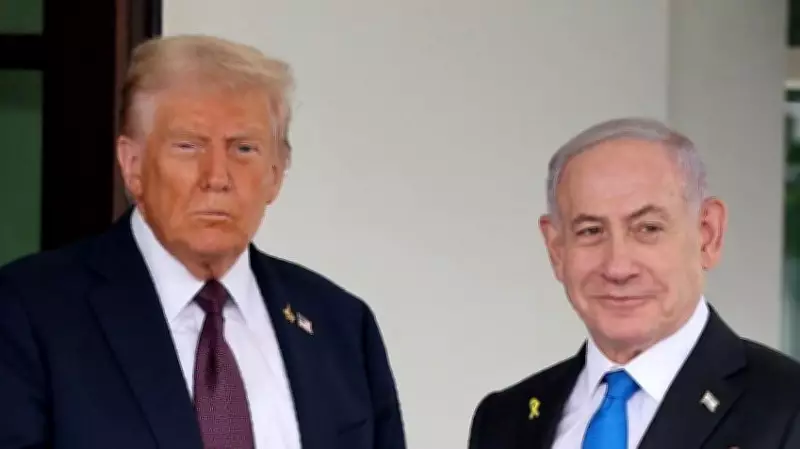
Benjamin Netanyahu, who long portrayed himself to Israeli voters as a uniquely influential figure capable of leveraging President Donald Trump's support, now finds his role significantly diminished. Once considered Trump's co-pilot in shaping policy toward Iran, Netanyahu has become a mere passenger in the evolving dynamics of U.S.-Israel relations.
Netanyahu's Former Influence
Netanyahu's political brand heavily relied on his close relationship with Trump. He often boasted of his ability to sway the U.S. president on key issues, particularly regarding Iran. This included Trump's decision to withdraw from the Iran nuclear deal and the subsequent maximum pressure campaign. Netanyahu's perceived access to Trump was a cornerstone of his domestic political appeal, presenting himself as indispensable to Israel's security and international standing.
Shift in U.S. Policy
However, recent developments indicate a shift in Trump's approach. The U.S. has engaged in direct talks with Iran, sidelining Netanyahu and reducing his role to that of a spectator. This change has undermined Netanyahu's narrative of being a pivotal player on the world stage. Israeli officials have expressed concern that their interests are being overlooked as Washington pursues its own diplomatic objectives.

Implications for Netanyahu
The diminished influence poses significant challenges for Netanyahu. Domestically, his opponents are using this shift to question his effectiveness and leadership. The perception that he is no longer in Trump's inner circle weakens his political standing, especially among voters who valued his international clout. Additionally, Israel's security establishment is adjusting to a new reality where U.S. support may not be as forthcoming as before.
Broader Regional Impact
This change also affects regional dynamics. Israel's traditional allies in the Gulf, who aligned with the U.S.-Israel axis against Iran, are now recalibrating their positions. The potential for a U.S.-Iran rapprochement could alter the balance of power in the Middle East, leaving Israel more isolated. Netanyahu's reduced role means Israel may need to rely more on its own capabilities and less on U.S. backing in confronting Iranian threats.
In conclusion, Netanyahu's transition from co-pilot to passenger in U.S.-Iran policy marks a significant shift in his political fortunes. As Trump charts his own course, Netanyahu must navigate a new landscape where his once-vaunted influence is no longer a given. This development not only impacts his political survival but also has profound implications for Israel's strategic posture in a rapidly changing region.

