

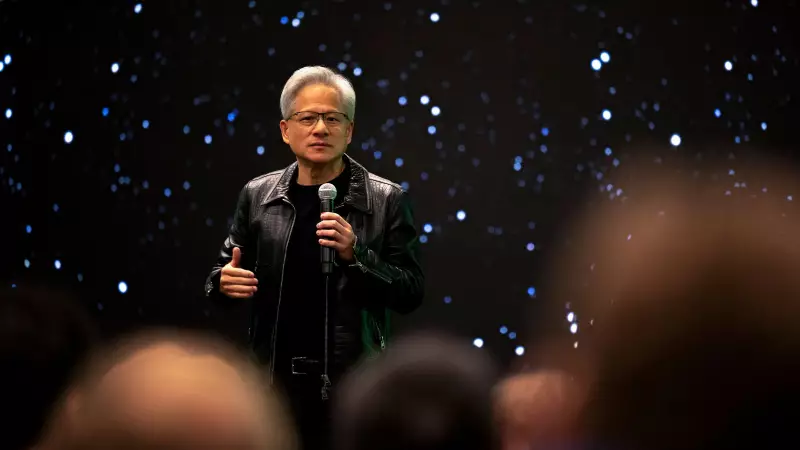
NVIDIA CEO Jensen Huang Highlights Europe's AI and Robotics Potential
In a significant statement, NVIDIA CEO Jensen Huang has identified artificial intelligence and robotics as a major opportunity for Europe, while stressing that the continent's success in these fields is heavily dependent on a stable and sufficient energy supply. This insight comes at a time when Europe is actively seeking to bolster its technological capabilities and compete globally in the rapidly evolving sectors of AI and automation.
The Critical Role of Energy in Advancing AI and Robotics
Jensen Huang, the visionary leader of NVIDIA, a company at the forefront of AI and graphics processing technology, pointed out that while Europe possesses the talent and innovation potential to excel in AI and robotics, the availability of reliable energy is a key factor that could make or break these ambitions. AI systems and robotic operations are inherently energy-intensive, requiring substantial power for data processing, training models, and running sophisticated hardware. Without a robust energy infrastructure, Europe might struggle to support the high computational demands of cutting-edge AI applications and robotics deployments.
Europe's Strategic Position in the Global Tech Landscape
Europe has been making strides in technology and innovation, with initiatives aimed at fostering digital transformation and enhancing competitiveness. Huang's remarks underscore the importance of aligning energy policies with technological goals. As countries across Europe invest in renewable energy sources and grid modernization, ensuring that these efforts can meet the growing needs of AI and robotics will be crucial. This involves not only generating enough power but also maintaining grid stability to prevent disruptions that could hinder research and development in these critical areas.

Key Challenges and Opportunities
- Energy Demand: AI and robotics projects often require continuous and high-capacity energy, which can strain existing infrastructure if not properly managed.
- Innovation Hub: Europe has the potential to become a global hub for AI and robotics, leveraging its strong academic institutions and tech startups.
- Sustainability: Balancing energy needs with environmental goals is essential, as Europe aims to lead in green technology while advancing in AI.
Implications for Europe's Economic and Technological Future
Jensen Huang's comments highlight a broader trend where technological advancement is increasingly intertwined with energy security. For Europe, this means that investments in AI and robotics must go hand-in-hand with upgrades to energy systems. Policymakers and industry leaders are urged to collaborate on creating an ecosystem that supports innovation without compromising on energy reliability. By addressing these challenges, Europe can seize the opportunity to drive growth, create jobs, and maintain a competitive edge in the global market for AI and robotics technologies.
In summary, while Europe stands at the cusp of a transformative era in AI and robotics, as noted by NVIDIA's CEO, the path forward requires a strategic focus on energy supply. Ensuring that power infrastructure can keep pace with technological demands will be vital for realizing Europe's full potential in these dynamic and impactful fields.

