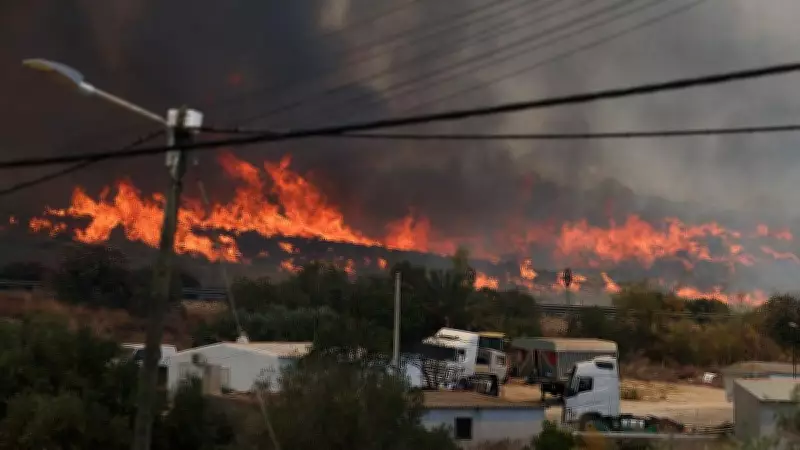
One of Spain's deadliest wildfires has claimed multiple lives, with victims found burned inside their vehicles as they attempted to flee the flames. Andalusian regional president Juanma Moreno described the tragedy, stating that the instinct to escape a wildfire is understandable, but unfamiliar escape routes can turn into death traps.
Victims Trapped in Vehicles
Emergency services reported that several people died in their cars after being overtaken by the fast-moving fire. The blaze, which erupted in a forested area, spread rapidly due to high temperatures and strong winds, cutting off primary evacuation roads. Survivors described scenes of panic as flames surrounded vehicles, leaving occupants with no time to escape.
Moreno emphasized that many residents attempted to flee using secondary roads they did not know well, which led them directly into the path of the fire. "Wrong routes turn into death traps," he said, urging people to follow official evacuation orders and designated safe corridors.

Scale of the Disaster
The wildfire is among the deadliest in Spain's recent history, with the death toll expected to rise as search teams comb through charred landscapes. Hundreds of firefighters, supported by water-dropping aircraft, battled the blaze for days. Entire villages were evacuated, and thousands of hectares of land were reduced to ash.
According to local authorities, the fire started on July 8, 2026, and was fueled by a prolonged heatwave that dried out vegetation. Climate experts have linked such extreme fire events to rising global temperatures, warning that Spain and other Mediterranean countries face increasing wildfire risks.
Official Response and Warnings
President Moreno visited the affected areas and pledged full support for victims' families. He stressed that the regional government would review evacuation protocols to prevent similar tragedies. "We must learn from this catastrophe," he said. "Our priority is to ensure that evacuation routes are clearly marked and that residents know which paths are safe."
Firefighters managed to contain the blaze by July 10, but hotspots remained. Air quality alerts were issued for nearby towns, and health officials advised residents to wear masks. The Spanish government declared a state of emergency in the region, mobilizing additional resources for firefighting and recovery efforts.
Impact on Communities
The wildfire destroyed dozens of homes, farms, and businesses. Local farmers reported losing livestock and crops, dealing a severe blow to the rural economy. Emergency shelters were set up for displaced families, and mental health support teams were deployed to help survivors cope with trauma.
Environmental groups estimated that over 20,000 hectares of woodland and farmland were burned, releasing massive amounts of carbon dioxide. The long-term ecological impact includes soil erosion, loss of biodiversity, and increased risk of flooding in the denuded landscape.
Broader Context of Wildfires in Spain
Spain has experienced increasingly severe wildfires in recent years, with 2022 and 2023 setting records for burned area. The 2026 fire season started earlier than usual, with June temperatures already exceeding 40°C in some regions. Scientists attribute the trend to climate change, which creates drier conditions and extends the fire season.
Authorities have invested in prevention measures, including controlled burns, firebreaks, and early warning systems. However, the speed and intensity of this fire overwhelmed existing defenses. The tragedy underscores the need for better public education on evacuation procedures and the dangers of fleeing via unfamiliar routes.