Incident Over the Norwegian Sea
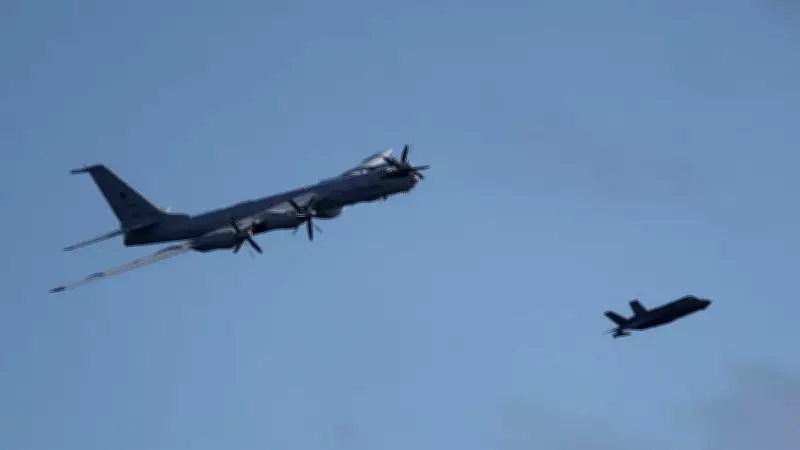
A British aircraft carrier operating in the Norwegian Sea was forced to intercept a Russian aircraft that approached the vessel in what the UK Ministry of Defence described as an 'unsafe and unprofessional' manner. The encounter, which occurred on 5 July 2026, involved a Russian Su-33 fighter jet flying close to HMS Queen Elizabeth, the UK's flagship carrier.
Details of the Interception
According to UK defense officials, the Russian jet did not respond to radio calls and flew within visual range of the carrier, prompting the launch of a British F-35B Lightning jet to escort the intruder away. The incident lasted approximately 20 minutes, with the Russian aircraft eventually departing the area without further escalation. A UK Ministry of Defence spokesperson stated, 'The Russian aircraft's actions were unsafe and unprofessional, demonstrating a lack of regard for international norms.'
Context of Rising Tensions
This incident is the latest in a series of encounters between NATO and Russian forces in the region, reflecting heightened tensions since the start of the Ukraine conflict. The Norwegian Sea is a strategic waterway for NATO operations, and Russian reconnaissance flights near allied vessels have become more frequent. In 2025, there were over 30 similar intercepts recorded by NATO air forces in the Baltic and North Atlantic regions.

Impact on NATO-Russia Relations
The UK has condemned the maneuver as a provocation, with Prime Minister Keir Starmer calling it 'a reckless act that could have led to a serious accident.' NATO Secretary General Jens Stoltenberg reiterated the alliance's commitment to defending its members, stating, 'We urge Russia to adhere to international airspace regulations to prevent miscalculations.' Meanwhile, Russia's Defense Ministry claimed the flight was conducted in accordance with international law, accusing the UK of exaggerating the incident for political purposes.
Broader Implications
Defense analysts note that such encounters risk unintended escalation, especially as both sides increase military drills in the region. The UK carrier strike group, including HMS Queen Elizabeth, is currently deployed as part of NATO's enhanced forward presence. The incident underscores the fragile security environment in Europe's northern flank, where naval and air interactions remain a flashpoint for potential conflict.