Judge Dismisses Prince Harry's Libel Claim Against Daily Mail
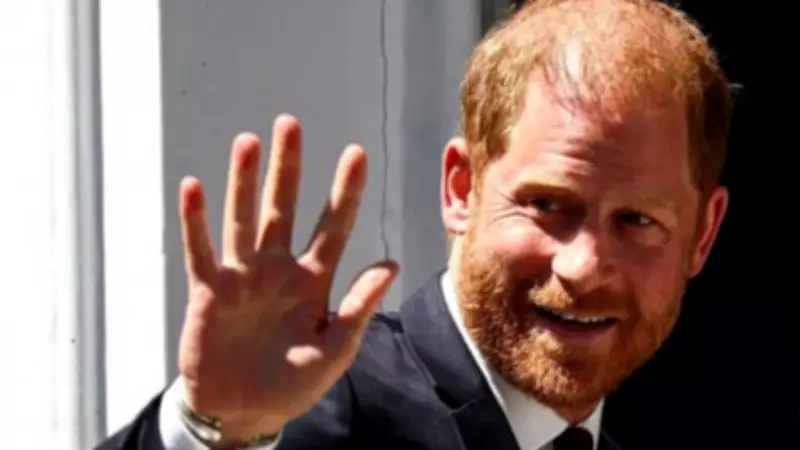
A British judge has ruled against Prince Harry in his libel lawsuit against the publisher of the Daily Mail, stating that 'suspicion... was not enough' to prove the newspaper acted with malice. The decision marks the end of the last unresolved case among several legal actions Harry has pursued against British tabloids in recent years.
Case Background and Allegations
Prince Harry had accused the Daily Mail of publishing a defamatory article that suggested he had misled the public about his willingness to pay for police protection during his visits to the UK. The article, published in 2022, claimed Harry had offered to cover the costs of his security detail but later reneged on the promise. Harry argued that the story damaged his reputation and was published with reckless disregard for the truth.
In his ruling, Justice Matthew Nicklin emphasized that while there may have been grounds for suspicion about the newspaper's conduct, suspicion alone does not meet the legal standard for malice required in libel cases involving public figures. 'The claimant has not provided sufficient evidence to demonstrate that the defendant knew the statement was false or acted with serious disregard for the truth,' the judge wrote in his 45-page judgment.

Legal Standards and Implications
The case hinged on the application of the 'actual malice' standard, which requires a public figure to prove that a publisher either knew the information was false or acted with reckless disregard for its truth. This standard, established in U.S. law and similar in UK defamation jurisprudence, is notoriously difficult to meet. Prince Harry's legal team argued that the Daily Mail had ignored multiple warnings from Harry's representatives about the inaccuracy of the article, but the judge found that the newspaper had relied on credible sources and had not acted with the requisite level of culpability.
'This is a significant setback for Prince Harry's broader campaign against the British tabloid press,' said media law expert Dr. Jane Croft of the University of Oxford. 'The ruling underscores the high bar that public figures face when suing for libel, especially when the publisher can demonstrate that it undertook reasonable journalistic checks.'
Broader Context of Harry's Legal Battles
The Daily Mail case was the last remaining active lawsuit among several that Prince Harry has filed against British newspapers. He has previously settled cases involving phone hacking and unlawful information gathering, including a landmark victory against Mirror Group Newspapers in 2023, where he was awarded substantial damages. However, his cases against the Daily Mail's publisher, Associated Newspapers, have faced repeated legal hurdles.
In 2024, Harry withdrew a separate privacy claim against the Daily Mail after the court ruled that his case had 'no reasonable grounds' to proceed. The libel case, which was filed in 2023, was seen as a test of whether Harry could use defamation law to hold tabloids accountable for what he describes as a 'relentless campaign of harassment and misinformation.'
The judge's decision also highlighted the newspaper's argument that the article was based on information from multiple sources, including a former palace aide and a security official. The Daily Mail's legal team maintained that the story was 'substantially true' and that any minor inaccuracies did not meet the threshold for defamation.
Reactions and Next Steps
Following the ruling, a spokesperson for Prince Harry said the duke was 'disappointed but not surprised' by the outcome, adding that he remains committed to reforming the British press. 'This ruling does not change the fact that the Daily Mail published a false and damaging story about the Duke of Sussex,' the spokesperson said. 'He will continue to fight for accountability and truth in journalism.'
Associated Newspapers welcomed the judgment, calling it a 'vindication of the Mail's commitment to accurate reporting.' In a statement, the publisher said, 'We have always maintained that the article was fair and based on reliable sources. The court has rightly recognized that suspicion is not evidence.'

Legal experts note that Prince Harry could appeal the decision, but such a move would require him to demonstrate that the judge made an error of law or fact. Given the high costs and the court's clear reasoning, an appeal is considered unlikely. With this ruling, Prince Harry's legal campaign against the British tabloids appears to have reached a conclusion, at least for now.