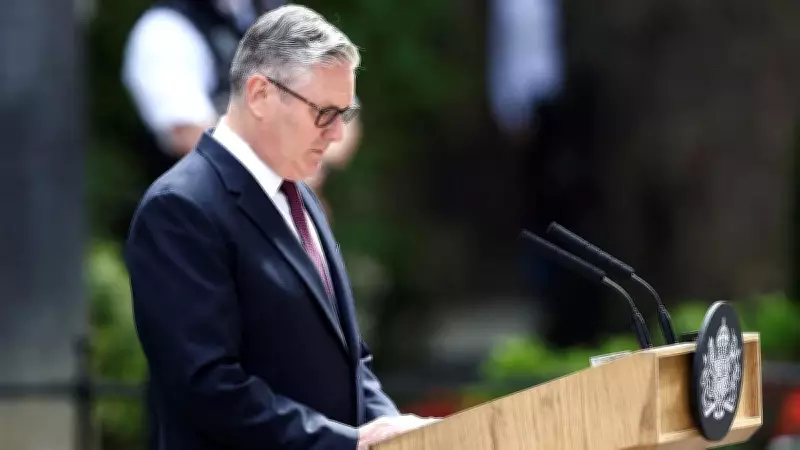
UK Prime Minister Keir Starmer resigned on 22 June 2026, after just two years in office, following mounting criticism that his leadership lacked direction and a clear vision for the country's future.
Historic mandate, limited ambition
Starmer led the Labour Party to a landslide victory in the 2024 general election, securing the largest parliamentary majority in modern British history. However, instead of outlining transformative goals, he focused narrowly on what he deemed achievable, avoiding bold promises or ideological commitments.
According to Reuters, Starmer's approach was pragmatic but failed to inspire the public or his own party. Critics argued that his government lacked a coherent narrative, leaving Britain adrift amid economic challenges and global uncertainties.

Resignation and immediate impact
The resignation came as a surprise to many, though internal Labour discontent had been brewing for months. Starmer's statement emphasized his belief that the country needed a leader with a clearer sense of purpose.
"I have always put the country first, but it is clear that my leadership has not provided the direction Britain needs," Starmer said in his resignation address. "A new leader must step forward to articulate a vision that can unite and propel the nation forward."
What went wrong
Starmer's tenure was marked by a cautious policy agenda, focusing on incremental reforms rather than radical change. His government struggled to address pressing issues such as the cost-of-living crisis, NHS backlogs, and Brexit-related trade friction.
Political analysts noted that Starmer's reluctance to set ambitious targets left the government appearing reactive rather than proactive. A senior Labour MP, speaking anonymously, told Reuters: "Keir's problem was that he managed the country but never led it. People voted for change, but they got continuity."
Succession and future of Labour
The Labour Party now faces a leadership contest, with several prominent figures expected to stand. The new leader will need to reconcile the party's internal factions and restore public confidence.
Starmer's resignation marks the shortest premiership since Andrew Bonar Law in 1922-1923. It underscores the volatility of British politics, where even a historic mandate can evaporate without a compelling vision.
As Britain prepares for a new chapter, questions remain about whether Labour can regain its momentum or whether the opposition Conservatives will capitalize on the disarray.