China's Venezuelan Oil Empire Under Threat as US Asserts Control
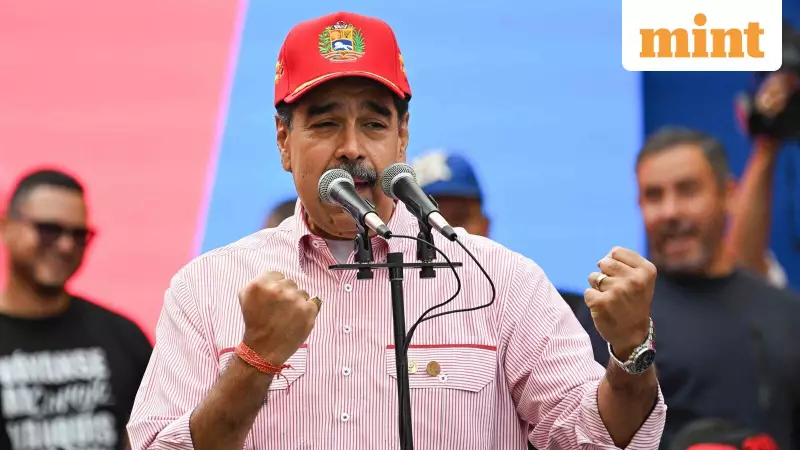
For nearly two decades, China has cultivated a massive oil presence in Venezuela, stepping in after the country nationalized its industry and pushed out American giants like Exxon Mobil and ConocoPhillips. However, this foothold is now in jeopardy following the ouster of President Nicolás Maduro and the Trump administration's renewed influence over Venezuela's oil sector.
Beijing's Strategic Investments at Risk
Chinese state-owned oil companies, including Sinopec and China National Petroleum (CNPC), hold claims to over 4 billion barrels of Venezuelan oil, dwarfing Chevron's 900 million barrels. These investments, forged through production deals, oil rigs, and debt-backed arrangements, have granted Beijing considerable sway in Caracas, often described as an "iron brotherhood." Yet, this influence is now subject to US preferences, as President Trump welcomes China to buy Venezuelan oil but insists on market prices, disrupting previous black-market discounts.
Historical Context and Current Challenges
China's entry into Venezuela's oil patch began in 2007, when the late leader Hugo Chávez championed "Full Oil Sovereignty" and nationalized assets. With the Chinese economy booming and energy security a priority, Beijing seized opportunities in the Orinoco Belt and Gulf of Paria, forming joint ventures like Sinovensa. Despite these claims, China remains a minor producer, contributing no more than 15% of Venezuela's output, which has plummeted from over 3 million barrels daily in the 1990s to under 1 million today.

Immediately before Maduro's ouster on January 3, China indirectly imported more than 80% of Venezuela's oil exports, benefiting from fire-sale prices due to sanctions. While US intervention has disrupted this trade, the impact on China is limited, as Venezuelan crude accounts for a small share of its daily imports.
Geopolitical Tensions and Mixed Signals
The Trump administration's strategy, articulated by Secretary of State Marco Rubio, aims to "deny non-Hemispheric competitors" control over the region's vital assets. This could challenge China's producer role and debt-relief arrangements, with Venezuela owing at least $10 billion to Beijing. However, analysts like Erica Downs note that "the future of China's oil companies in Venezuela's oil industry is up in the air," as US priorities may conflict with rebuilding Venezuela's economy and maintaining relations with Chinese leader Xi Jinping.
Beijing has sent mixed messages, with Sinopec recently selling assets to a US investor and small Chinese companies continuing production deals. Chinese customs data show a surge in oil equipment exports to Venezuela, indicating ongoing engagement. Parsifal D'Sola Alvarado predicts the US may overlook Chinese production, similar to Argentina's approach under President Javier Milei.
Conclusion: An Uncertain Future
As the US asserts control over Venezuela's oil money and exports, China's vast stake faces significant risks. While Beijing vows to protect its interests under international law, the shifting geopolitical landscape leaves its investments vulnerable. The outcome will hinge on Trump's policies, Venezuela's economic revival, and the delicate balance of US-China relations.