

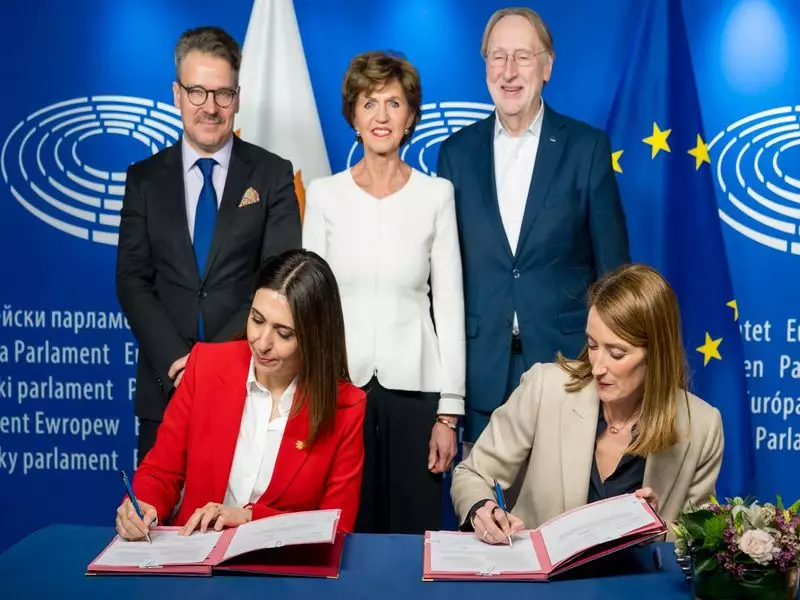
European Union Officially Enacts Ban on Russian Gas Imports into Law
In a significant move to reshape its energy landscape, the European Union has formally signed a ban on Russian gas imports into law. This landmark decision underscores the bloc's strategic pivot away from reliance on Russian energy sources, driven by escalating geopolitical tensions and the need for enhanced energy security. The new legislation represents a critical step in the EU's broader efforts to diversify its energy supply chains and reduce vulnerabilities associated with external dependencies.
Key Provisions and Implications of the Ban
The ban, now enshrined in EU law, prohibits the importation of natural gas from Russia across all member states. This measure is part of a comprehensive package aimed at curbing Russia's economic influence and responding to ongoing conflicts that have disrupted global energy markets. By implementing this ban, the EU aims to accelerate its transition to renewable energy sources and bolster domestic production capabilities. The law includes provisions for phased implementation, allowing member states time to adjust their energy infrastructures and secure alternative supplies.
Economic and Geopolitical Ramifications

The enactment of this ban is expected to have profound economic and geopolitical ramifications. On one hand, it may lead to short-term price fluctuations and supply challenges within the EU, as countries scramble to replace Russian gas with imports from other regions such as the United States, Norway, or Qatar. On the other hand, it strengthens the EU's position in global diplomacy by demonstrating a unified stance against aggression and promoting energy independence. This move could also incentivize investments in green technologies and infrastructure, aligning with the EU's climate goals under the European Green Deal.
Broader Context and Future Outlook
This law builds upon previous EU sanctions and energy policies that have gradually reduced Russian gas imports since the onset of recent conflicts. It reflects a growing consensus among European leaders on the necessity of decoupling from Russian energy to safeguard regional stability. Looking ahead, the EU plans to monitor the ban's impact through regular assessments and may introduce additional measures to support affected industries and consumers. As the global energy landscape evolves, this ban positions the EU as a proactive actor in shaping a more resilient and sustainable energy future, free from the constraints of geopolitical volatility.






