

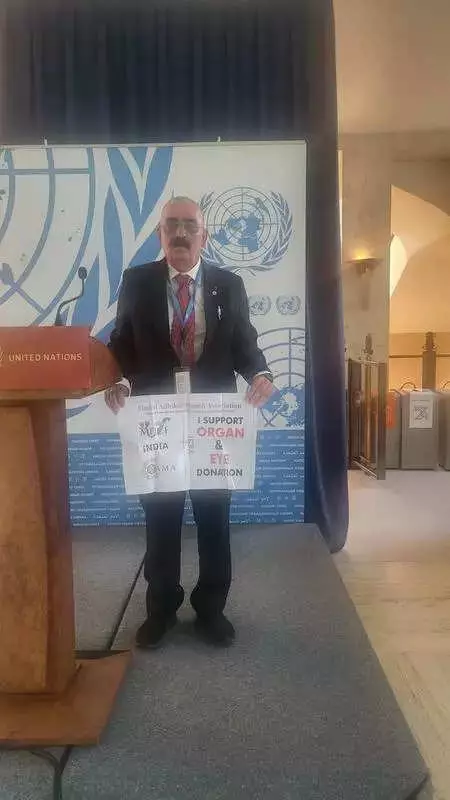
In a significant development at the United Nations, a Jaipur-based non-governmental organization has presented detailed recommendations aimed at revolutionizing cadaver organ donation systems through stronger policy frameworks. The Sindhi Adhikar Manch, which holds special consultative status with the UN Economic and Social Council, saw its comprehensive suggestions circulated during the UN General Assembly session on Thursday, aligning with Economic and Social Council resolution 1996/31.
Comprehensive Policy Recommendations for Organ Donation Reform
The NGO's submission represents a thorough blueprint for transforming organ donation systems worldwide. The recommendations emphasize creating robust infrastructure and transparent processes to address current shortcomings in organ transplantation systems.
Key Recommendations Presented to UN Member States
The organization proposed several critical measures that countries should implement to strengthen their organ donation frameworks:

- Mandatory Identification Systems: Establishing compulsory protocols for identifying and referring potential deceased donors through hospital networks
- Infrastructure Investment: Significant funding for critical care facilities and specialized transplant coordination units in major medical centers
- Digital Allocation Platforms: Creation of transparent, equitable digital systems for organ distribution with independent oversight mechanisms
- Universal Health Coverage Integration: Inclusion of transplantation services within national health coverage schemes to ensure affordability and eliminate discrimination
- Public Awareness Campaigns: Sustained educational initiatives involving community leaders and religious figures to promote organ donation awareness
- Ethical Safeguards: Strict monitoring systems to prevent organ trafficking and ensure compliance with World Health Organization Guiding Principles
- Opt-Out Systems: Adoption of presumed consent frameworks to significantly increase organ donation rates
Human Rights-Based Approach to Organ Transplantation
The Jaipur-based organization framed organ donation as a critical human rights issue requiring comprehensive public health responses. According to their submission, policy reforms must specifically address existing disparities in access to transplantation services while protecting vulnerable populations from potential exploitation.
The NGO emphasized that equitable access to organs and transplant procedures represents a fundamental healthcare right that should be available to all citizens regardless of socioeconomic status. Their recommendations aim to create systems that prioritize fairness and eliminate barriers that currently prevent many from receiving life-saving transplants.
Three-Year Advocacy Journey at International Forums
Gobind Gurbani, founder of Sindhi Adhikar Manch, highlighted the organization's sustained efforts in promoting organ donation reforms at global platforms. "We have maintained special consultative status with the UN Economic and Social Council in New York since 2016," Gurbani stated. "For the past three years, we have consistently raised the crucial issue of cadaver organ donation during sessions of the UN Human Rights Council in Geneva."
The organization's latest submission to the UN General Assembly represents the culmination of this multi-year advocacy effort. Their document systematically outlines current deficiencies in global organ donation systems, identifies corresponding human rights concerns, and provides actionable recommendations aligned with international standards to guide national policy development.
By presenting these comprehensive reforms at the highest levels of global governance, the Jaipur NGO aims to catalyze meaningful policy changes that could save countless lives through improved organ donation systems worldwide. The recommendations emphasize creating ethical, transparent, and equitable frameworks that prioritize human dignity while maximizing the availability of life-saving organs for transplantation.

