India's EU Trade Deal Gains Urgency in Turbulent Global Climate
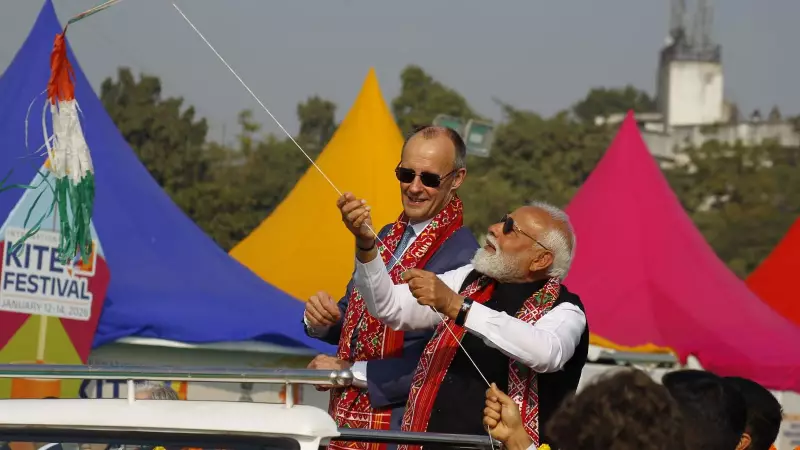
India needs to accelerate negotiations for a free trade agreement with the European Union. This push comes during a year marked by significant global unpredictability. The recent kite-flying event between Prime Minister Narendra Modi and German Chancellor Friedrich Merz in Ahmedabad symbolized more than just diplomatic camaraderie. It highlighted promising developments in cooperative defense production and visa-free transit travel for Indian travelers.
Global Economic Challenges Create New Imperatives
The world's two largest economies present concerning outlooks for traditional global trade. The United States shows robust growth on the surface, but underlying imbalances threaten sustainability. Investment concentrates heavily on artificial intelligence expansion, while corporate hiring stagnates. Proposed tax cuts could lead to inflationary pressures and erode consumption demand over time.
China's situation appears even more troubling for global demand. Long-term growth rates continue their secular decline, now trending toward four percent or lower. A persistent real estate crisis depresses demand, while aging demographics further constrain consumption. Even China's export surge offers limited reassurance, as much represents trade diversion rather than genuine growth.

EU Emerges as Critical Partner for India
Amid these challenges, regional trade agreements gain paramount importance for India. The European Union represents India's fourth largest market, yet often receives less attention than US-China dynamics. The EU-India Summit approaches in less than two weeks, creating a crucial window for progress.
Germany stands poised to lead this effort within the European context. The country's Skilled Immigration Act already provides quotas for Indian professionals. This development creates new negotiating possibilities around the movement of skilled persons, known as Mode 4 in World Trade Organization terminology.
Substantial Economic Potential Awaits
By 2024, cumulative foreign direct investment from the European Union into India reached approximately $120 billion. This substantial investment offers significant untapped potential. Focus areas like electronics and infrastructure align perfectly with India's current development priorities.
Germany's technological leadership could prove particularly valuable. A technology component within the trade agreement might boost foreign direct investment further. Studies consistently show that foreign direct investment and trade function as complementary forces rather than competing interests.
From Symbolism to Substantive Agreement
The recent India-Germany cooperation signals more than diplomatic symbolism. It could mark the beginning of a meaningful India-EU free trade agreement. Such a pact would ideally incorporate services agreements alongside investment protections.
For the first time, India may find skilled person mobility becoming a negotiable instrument in trade discussions. This represents a significant shift from previous negotiations, where environmental and labor rights issues stalled progress for nearly a decade.
As global trade faces mounting challenges, India's pursuit of strategic partnerships takes on renewed importance. The European Union agreement offers not just economic benefits but strategic positioning in an increasingly fragmented global economy. The coming weeks will reveal whether kite-flying symbolism can transform into substantive trade architecture that benefits all parties involved.