

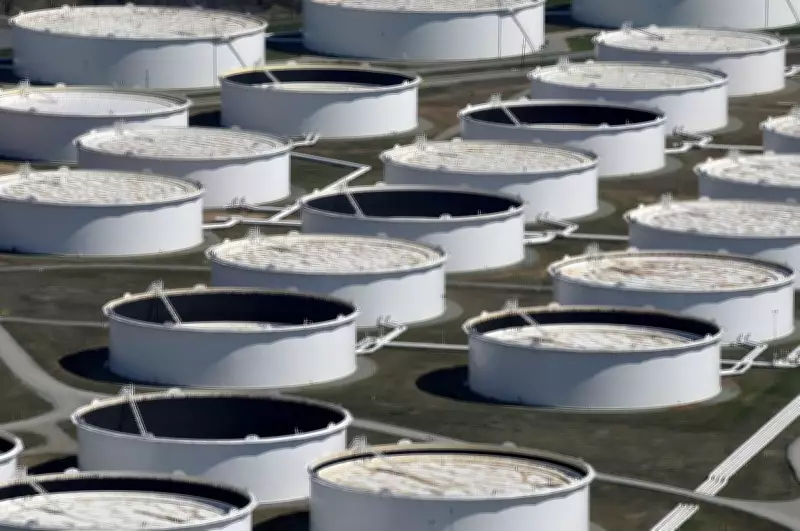
Iran Conflict Severely Disrupts Oil Supply to Asian Nations Dependent on Middle East
The escalating conflict in Iran has triggered significant disruptions in oil supplies to Asian countries, which are heavily reliant on crude imports from the Middle East. This development has sent shockwaves through global energy markets, raising concerns about economic stability and energy security in the region.
Impact on Asian Oil Importers
Asian nations, including major economies like India, China, Japan, and South Korea, depend substantially on Middle Eastern oil to fuel their industries and meet domestic energy demands. The conflict in Iran, a key producer and exporter in the region, has led to supply chain interruptions, forcing these countries to scramble for alternative sources.
Market volatility has surged, with oil prices experiencing sharp fluctuations as traders react to the uncertainty. Analysts warn that prolonged disruptions could lead to higher fuel costs, inflationary pressures, and slower economic growth across Asia.

Global Energy Market Reactions
The disruption has highlighted the fragility of global oil supply chains, particularly for regions with limited domestic production. International oil benchmarks have seen increased volatility, with Brent crude and West Texas Intermediate prices reacting to news from the conflict zone.
Key factors contributing to the supply disruption include:
- Logistical challenges in shipping routes through the Strait of Hormuz
- Reduced production from Iranian oil fields due to security concerns
- Insurance and risk premiums rising for vessels operating in the area
Economic and Strategic Implications
For Asian countries, the situation underscores the need to diversify energy sources and enhance strategic reserves. Governments are reportedly exploring options such as:
- Increasing imports from other regions like Africa, Russia, and the Americas
- Accelerating investments in renewable energy and energy efficiency
- Strengthening diplomatic efforts to stabilize the Middle East region
The conflict's ripple effects extend beyond oil, potentially impacting global trade, geopolitical alliances, and regional security dynamics. Experts emphasize that a swift resolution is crucial to prevent long-term economic damage and ensure energy security for dependent nations.






