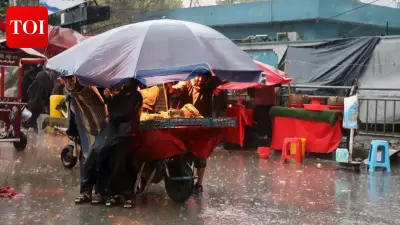
Iran witnessed its most significant wave of public demonstrations in nearly two years on Monday, as citizens took to the streets in major cities to protest a historic collapse in the value of the national currency. The unrest, fueled by a severe economic downturn, saw police using tear gas in parts of the capital, Tehran, and led to the resignation of the country's Central Bank chief.
Widespread Unrest and Government Response
The protests, described as the largest since the 2022 nationwide demonstrations triggered by the death of Mahsa Jina Amini, spread across several key urban centers. Alongside Tehran, rallies were reported in Isfahan, Shiraz, and Mashhad. In a significant show of economic discontent, many traders shut their shops in solidarity, with the semi-official ILNA news agency confirming widespread business closures.
In a notable development, Central Bank Governor Mohammad Reza Farzin resigned as the protests intensified. Concurrently, President Masoud Pezeshkian urged his government to engage with the demonstrators. "I have asked the interior minister to listen to the legitimate demands of the protesters by engaging in dialogue with their representatives," Pezeshkian stated via the official IRNA news agency.

The Economic Fuel Behind the Protests
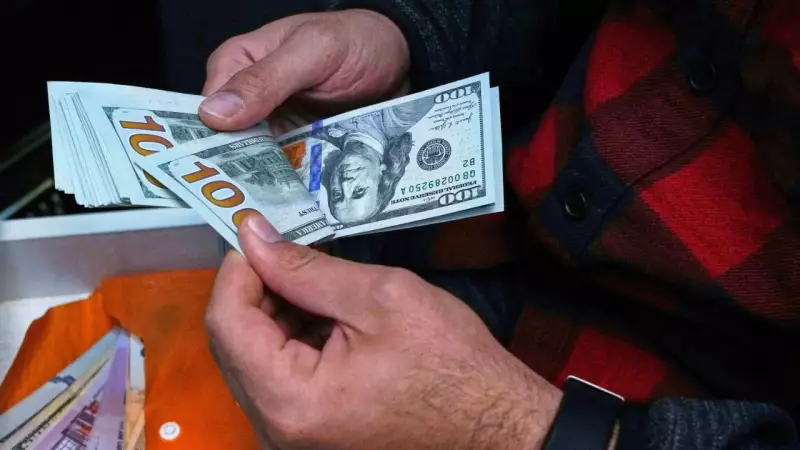
The immediate catalyst for the public anger is the dramatic fall of the Iranian rial. The currency recently plunged to an unprecedented rate of 1.42 million rials to one US dollar, though it traded slightly higher at 1.38 million on Monday. This rapid depreciation has exacerbated already high inflation, making essentials like food unaffordable for many and straining household budgets to a breaking point.
The economic pressure is compounded by recent government measures, including changes to gasoline prices and reports in official media about planned tax increases in the upcoming Iranian New Year, starting March 21. The current crisis marks a stark contrast to the period following the 2015 nuclear accord, when the rial traded at around 32,000 to the dollar before the deal collapsed after the US withdrawal in 2018.
Historical Echoes and Future Implications
The current protests carry historical weight, as merchants and bazaar traders—who played a pivotal role in the 1979 Islamic Revolution—are once again at the forefront of economic dissent by shutting their businesses. The situation remains volatile, with the government's ability to address the "legitimate demands" concerning currency stability and inflation being closely watched.
This new wave of unrest underscores the deep-seated economic challenges facing Iran, where currency woes directly translate into daily hardship for its citizens. The government's call for dialogue will be tested against its capacity to implement tangible economic reforms to stabilize the rial and curb rising prices.