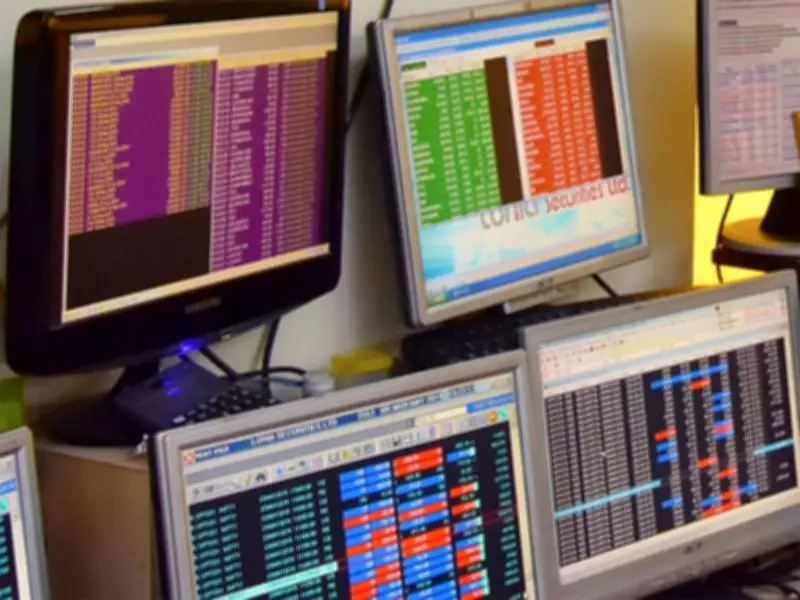
Oil Prices Retreat While Stock Indices Surge Following US-Iran Ceasefire
In a significant development for global markets, oil prices have retreated sharply while stock indices have surged following the announcement of a ceasefire agreement between the United States and Iran. This geopolitical breakthrough has eased long-standing tensions in the Middle East, leading to immediate reactions across financial sectors worldwide.
Immediate Impact on Commodity Markets
The ceasefire news triggered a swift decline in global oil prices, with Brent crude and West Texas Intermediate (WTI) both falling by over 3% in early trading sessions. Analysts attribute this drop to reduced fears of supply disruptions from the oil-rich region, as the agreement aims to de-escalate conflicts that previously threatened production and export stability. The retreat marks a reversal from recent highs driven by geopolitical uncertainty, offering relief to economies grappling with inflationary pressures.
Stock Market Rally and Investor Sentiment
Concurrently, major stock indices experienced a robust surge, with benchmarks like the S&P 500, Dow Jones, and global indices in Asia and Europe posting gains of 1-2%. Investors welcomed the ceasefire as a positive signal for reduced geopolitical risk, boosting confidence in corporate earnings and economic growth prospects. Market experts note that the rally reflects optimism over stabilized energy costs and improved trade conditions, potentially fostering a more favorable environment for business expansion.

Broader Economic Implications
The ceasefire between the US and Iran carries profound implications for the global economy:
- Energy Sector Stability: Lower oil prices could alleviate input costs for industries and consumers, supporting economic recovery efforts.
- Market Volatility Reduction: With geopolitical tensions easing, financial markets may see decreased volatility, encouraging long-term investments.
- Trade and Diplomacy: The agreement could pave the way for enhanced diplomatic relations and trade flows, benefiting international commerce.
However, some analysts caution that the ceasefire's sustainability remains to be seen, and any future escalations could quickly reverse these market trends.
Future Outlook and Monitoring
As markets digest this development, stakeholders are closely watching for further details on the ceasefire terms and implementation. Key factors to monitor include compliance by both nations, potential impacts on oil production quotas, and ripple effects on related sectors like transportation and manufacturing. The initial market response underscores the interconnectedness of geopolitics and finance, highlighting how diplomatic progress can swiftly alter economic landscapes.
In summary, the US-Iran ceasefire has catalyzed a notable shift in global markets, with oil prices retreating and stock indices surging as investors recalibrate risk assessments. This event serves as a reminder of how geopolitical resolutions can drive immediate financial outcomes, shaping short-term economic trajectories while setting the stage for potential long-term stability.