

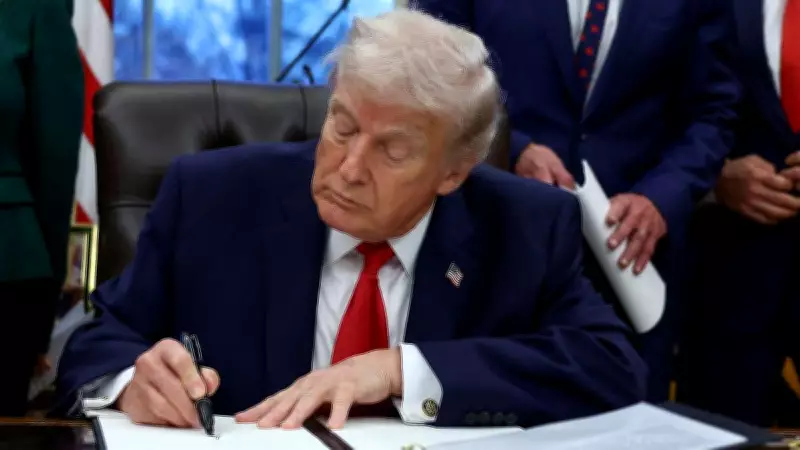
Global oil markets experienced a notable downturn as former United States President Donald Trump indicated a potential shift toward diplomatic dialogue with Iran regarding its contentious nuclear program. This development has introduced a fresh dynamic into the geopolitical landscape, directly impacting energy commodity prices.
Market Reaction to Geopolitical Signals
Following Trump's remarks, US West Texas Intermediate crude, a key benchmark for oil prices, witnessed a significant decline of $1.25, settling at $64.17 per barrel. This drop comes in stark contrast to the previous trading session, where WTI had surged by an impressive 3.4%, reaching its highest closing price since September 26. The rapid reversal highlights the sensitivity of oil markets to political developments and diplomatic overtures involving major oil-producing nations.
Context of Recent Price Movements
The earlier rally in oil prices was driven by a combination of factors, including supply constraints and heightened tensions in key producing regions. However, Trump's unexpected signal of openness to dialogue with Iran has injected a degree of uncertainty into the market. Iran, as a significant player in global oil exports, has long been a focal point of geopolitical risk premiums in energy trading.

Analysts suggest that any move toward de-escalation or negotiation could alleviate fears of supply disruptions, thereby exerting downward pressure on prices. The market's immediate reaction underscores how swiftly sentiment can shift based on political rhetoric from influential figures like Trump.
Implications for Global Energy Markets
The fluctuation in WTI prices reflects broader concerns about stability in the Middle East and its impact on global energy security. Trump's presidency was marked by a hardline stance toward Iran, including the reinstatement of sanctions that curtailed Iranian oil exports. A potential thaw in relations, even if preliminary, could signal a recalibration of US foreign policy under his potential influence.
Market observers are closely monitoring how this development might affect OPEC+ dynamics and overall supply forecasts. Should dialogue progress, it could lead to increased Iranian oil entering the market, further influencing price trends.
Looking Ahead
As of the latest update on January 30, 2026, the oil market remains volatile, with traders weighing geopolitical risks against fundamental supply-demand factors. The interplay between political announcements and commodity prices is expected to continue, making headlines in the coming days.
Investors and policymakers alike will be watching for concrete steps following Trump's signals, as any substantive talks could reshape energy market narratives and have lasting implications for global economic stability.






