

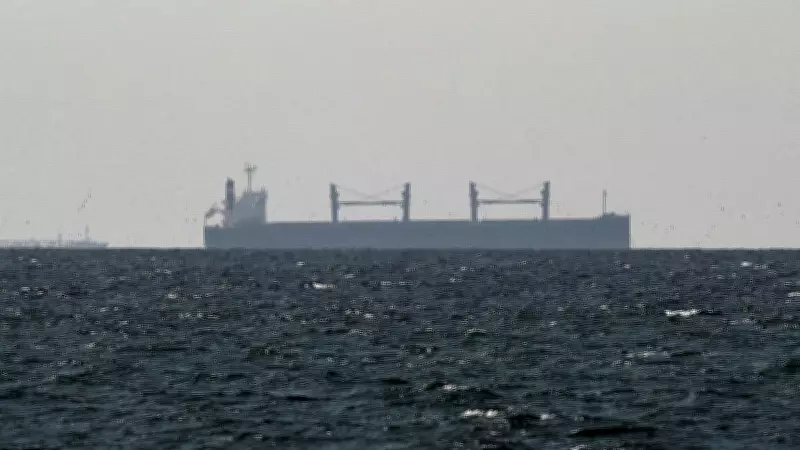
Oil Prices Decline Amid US-Iran Peace Framework and Strait of Hormuz Standoff
Global oil markets experienced a notable downturn as the United States and Iran were presented with a preliminary framework aimed at de-escalating long-standing hostilities. This development, reported by Reuters on April 6, 2026, at 10:46 IST, has injected a measure of cautious optimism into energy markets, leading to a reduction in crude oil prices. However, the situation remains complex and volatile, with significant hurdles still in place.
Peace Proposal Framework Delivered to Both Nations
According to sources, diplomatic channels facilitated the delivery of a structured peace proposal to officials in both Washington and Tehran. This framework outlines potential steps toward a negotiated settlement to ease tensions that have frequently roiled the Middle East and impacted global energy security. The mere receipt of such a document has been interpreted by market analysts as a positive signal, contributing to the immediate softening of oil prices.
The proposal's emergence suggests that behind-the-scenes negotiations may be gaining traction, even as public rhetoric remains heated. Investors and traders closely monitoring geopolitical risks responded by adjusting their positions, anticipating a possible reduction in supply disruptions that have historically driven price spikes.

Iran's Firm Rejection on Strait of Hormuz Reopening
Despite the forward movement represented by the peace framework, Iran has issued a swift and unequivocal rejection of one critical component: the immediate reopening of the Strait of Hormuz. This narrow waterway is a vital chokepoint for global oil shipments, with approximately one-fifth of the world's petroleum passing through it. Iran's control over the strait has been a leverage point in past confrontations, and its refusal to reopen it without further concessions underscores the fragility of the current diplomatic efforts.
This stance highlights Tehran's strategic calculations and its unwillingness to cede a key bargaining chip early in the process. The Strait of Hormuz remains a flashpoint, and its status directly influences oil market volatility and shipping insurance costs.
Trump's Ultimatum and Threats of Severe Consequences
Adding to the high-stakes environment, former President Donald Trump issued a stark ultimatum to Iran, threatening to unleash 'hell' upon Tehran if a satisfactory deal was not reached by the end of Tuesday. This bellicose statement, reminiscent of his previous administration's maximum pressure campaign, has cast a shadow over the peace initiative.
- The threat raises the specter of renewed military escalation, which could abruptly reverse the current price decline.
- Market participants are weighing the possibility of a breakthrough against the risk of a breakdown in talks, leading to heightened uncertainty.
- Trump's deadline injects a sense of urgency, potentially forcing both sides to clarify their positions rapidly.
Market Reactions and Broader Implications
The interplay of these factors—the peace framework, Iran's stance on the strait, and Trump's threats—has created a nuanced market response. While the initial price drop reflects hope for de-escalation, the underlying tensions suggest that stability is far from assured.
- Oil prices are sensitive to any developments in the US-Iran relationship, given the region's pivotal role in global supply.
- The rejection of the Strait of Hormuz reopening indicates that substantive disagreements persist, which could stall or derail negotiations.
- The geopolitical risk premium in oil prices may fluctuate wildly in the coming days as deadlines approach and positions harden.
In summary, while the delivery of a peace proposal has provided a temporary respite for oil markets, the path forward is fraught with challenges. Iran's refusal on the Strait of Hormuz and the looming threat from Trump ensure that the situation remains fluid, with potential for sudden shifts that could impact global energy economics and regional security dynamics.






