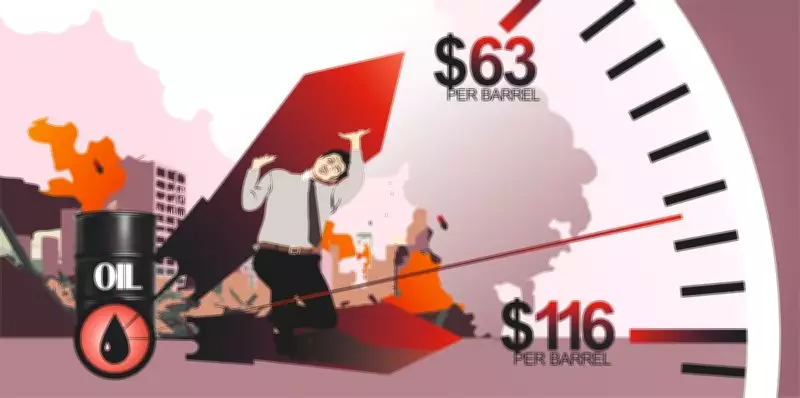
The recent surge in global oil prices has cast a shadow over India's optimistic growth projections, raising concerns about inflation, fiscal deficit, and current account balance. As the world's third-largest oil importer, India is particularly vulnerable to volatile crude prices, which have crossed the $90 per barrel mark due to geopolitical tensions and supply constraints.
Impact on Inflation and Fiscal Health
Higher oil prices directly impact India's inflation trajectory, as fuel costs feed into transportation and production expenses. This could compel the Reserve Bank of India to maintain a tighter monetary policy stance, potentially slowing down consumption and investment. The government's subsidy burden on LPG and kerosene may also rise, straining fiscal targets.
Trade Deficit Widens
India's import bill for crude oil has already ballooned, widening the trade deficit to a record high. This puts pressure on the rupee and foreign exchange reserves. While export growth has been robust, the oil shock could erode the competitiveness of Indian goods in global markets.

Growth Optimism Under Revision
International agencies like the IMF and World Bank have downgraded India's GDP growth forecasts for 2025, citing external headwinds. Domestic rating agencies are also cautious, noting that sustained high oil prices could knock off up to 0.5 percentage points from growth.
The government remains confident of achieving over 7% growth, driven by strong domestic demand and infrastructure spending. However, economists argue that the oil shock, coupled with global monetary tightening and geopolitical risks, makes the outlook highly uncertain.
Sectoral Impact
- Automobile and Aviation: Higher fuel costs dampen demand for vehicles and increase airline ticket prices.
- Manufacturing: Input costs rise, squeezing margins for MSMEs.
- Consumption: Disposable income shrinks as households spend more on fuel, reducing spending on other goods.
Policy Response Needed
To mitigate the impact, the government can consider excise duty cuts on petrol and diesel, as done in 2022. Strategic petroleum reserves offer temporary relief, but long-term solutions include boosting domestic production, diversifying energy sources, and accelerating renewable energy adoption. The oil shock serves as a reminder of India's energy vulnerability and the need for structural reforms in the energy sector.