Pakistan Considers Scheduled Evening Power Cuts to Tackle Energy Crisis
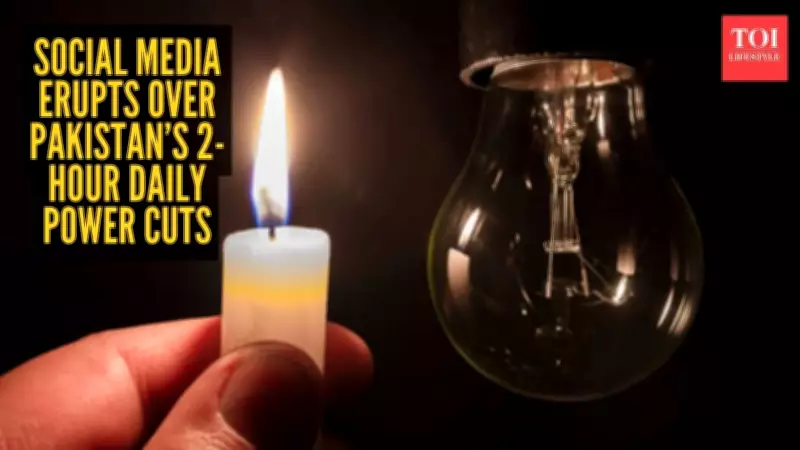
Pakistan is reportedly preparing to implement a drastic measure to control its escalating energy bills: scheduled power cuts of approximately two hours during peak evening hours. According to a Bloomberg report, this move comes as the country grapples with a perfect storm of rising electricity demand, reduced hydropower output, and soaring fossil fuel costs exacerbated by the ongoing conflict in Iran.
The Logic Behind the Planned Outages
The rationale for these planned outages is straightforward. Electricity consumption in Pakistan typically surges between 5 pm and 1 am, creating a peak demand period that strains the national grid. With hydropower generation currently declining, authorities must rely more heavily on fossil fuels to bridge the supply gap. However, the Iran war has triggered a sharp increase in global fuel prices, making this option prohibitively expensive.
Instead of allowing electricity tariffs to spiral uncontrollably for households, Pakistani officials are opting for a traditional demand management strategy: planned load shedding. Power distribution companies have been instructed to provide advance notice to consumers about these cuts, aiming to eliminate the disruptive and unpredictable "surprise" blackouts that have plagued the system in the past.

Regional Disparities and Broader Economic Pressures
While officials maintain that the national power system remains stable and technically capable of meeting overall demand, the peak evening hours present a persistent challenge. Interestingly, the impact of these scheduled cuts will not be uniform across the country. Major urban centers like Karachi and Hyderabad are expected to be largely exempt, benefiting from relatively cheaper power generation sources in the southern region.
Nevertheless, the broader energy landscape in Pakistan appears precarious. The nation is contending with a trifecta of issues: escalating fuel import costs, diminishing foreign exchange reserves, and an inherently fragile energy infrastructure. Former central bank governor Reza Baqir has highlighted that global geopolitical shocks, such as the Iran conflict, disproportionately affect economies that are already vulnerable, amplifying existing weaknesses.
Social Media Backlash and Public Frustration
On social media platforms, the announcement has sparked a wave of ruthless criticism and sarcastic commentary. Many users have pointed out the perceived irony of a nation that often asserts its significance on the global stage now struggling to maintain basic electricity supply domestically.
One viral comment quipped, "Aur inhe Kashmir chahiye" (And they want Kashmir), while others mockingly referred to the situation as a "superpower moment." Another user expressed broader societal frustration, noting that power outages have evolved from occasional inconveniences into a routine aspect of daily life, paralleling concerns like rising food prices and cuts to essential spending.
Perhaps the most pointed criticism centers on the terminology itself. Labeling a two-hour outage as a "cap" has been met with skepticism, given reports that many areas in Pakistan already endure power cuts extending far beyond this duration on a regular basis. In essence, while government authorities frame this as prudent load management, the online community interprets it as yet another manifestation of a deepening energy crisis.