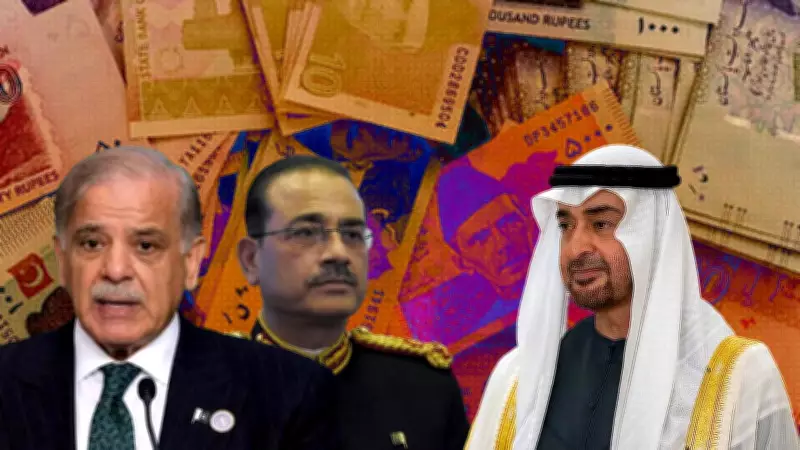
Pakistan to Honor $3.5 Billion UAE Debt in April, Emphasizing National Dignity
In a significant financial decision, Pakistan has declared its intention to repay a substantial $3.5 billion debt to the United Arab Emirates before the conclusion of April. This move underscores the nation's commitment to upholding its international financial obligations and preserving its sovereign dignity, even as it faces considerable economic challenges.
Background and Context of the Debt
The debt in question originated in 2019 when the Abu Dhabi Fund for Development extended these funds to Pakistan. This financial assistance was crucial at the time, aimed at stabilizing Pakistan's balance of payments during a severe financial crisis. The injection of capital helped the country navigate turbulent economic waters, providing a much-needed buffer.
Immediate Repayment Amid Reserve Concerns
Recent reports indicate that the UAE had requested immediate repayment of this debt, prompting Pakistan's swift response. Officials in Islamabad have emphasized that safeguarding national pride is paramount, driving the decision to proceed with repayment despite the timing. However, this action comes at a precarious moment for Pakistan's economy.

Economists have raised alarms about the potential strain on Pakistan's foreign exchange reserves. Repaying such a large sum in a short timeframe could exert significant pressure on these reserves, which are vital for maintaining economic stability and meeting other international obligations.
Economic Implications and Future Challenges
The decision to repay the debt highlights a delicate balance between financial prudence and national honor. While fulfilling this obligation may bolster Pakistan's credibility in international financial circles, it also poses immediate risks:
- Reserve Depletion: The repayment could lead to a notable reduction in foreign exchange reserves, potentially impacting the country's ability to manage imports and currency stability.
- Short-Term Economic Strain: Economists warn that this move might exacerbate existing economic challenges, including inflation and fiscal deficits, in the near term.
- Long-Term Considerations: Despite the current strain, honoring the debt could enhance Pakistan's reputation for reliability, possibly facilitating future financial support or investment.
As Pakistan navigates this complex financial landscape, the government's focus on national dignity reflects a broader strategy to maintain sovereignty in international relations. The coming weeks will be critical in assessing how this repayment affects the country's economic resilience and reserve management strategies.