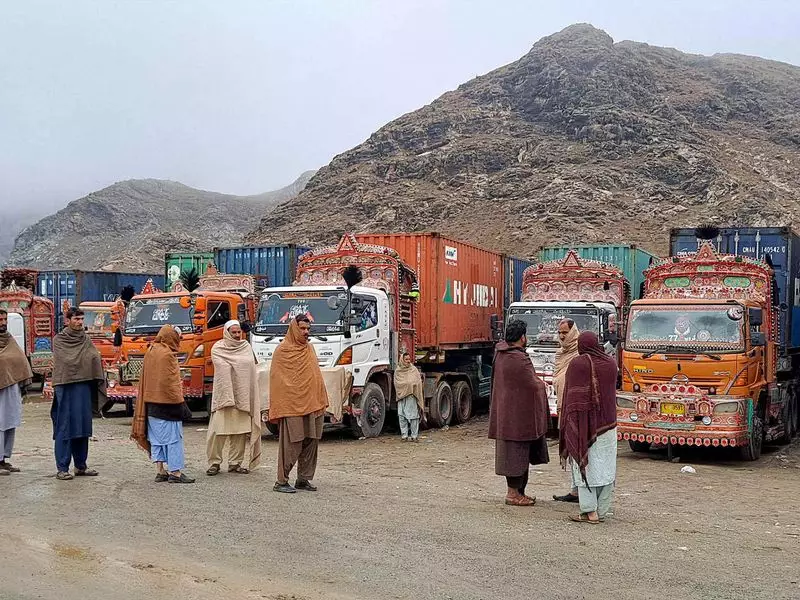
Business communities across Pakistan are sounding the alarm, declaring the upcoming year 2025 as a potential period of economic collapse. This grim forecast stems from a severe and ongoing struggle for survival faced by traders and industrialists, who are buckling under the weight of relentless inflation, exorbitant taxes, and unaffordable utility bills.
A Perfect Storm of Economic Pressures
The situation on the ground is dire. Representatives from major trade bodies, including the Karachi Chamber of Commerce and Industry (KCCI) and the Islamabad Chamber of Commerce and Industry (ICCI), have painted a bleak picture. They highlight a combination of factors that are choking the life out of businesses. Skyrocketing inflation has drastically reduced the purchasing power of ordinary citizens, leading to a sharp decline in sales. Simultaneously, the government's reliance on heavy taxation to meet International Monetary Fund (IMF) conditions has placed an unbearable burden on the formal and informal sectors alike.
Energy costs have become a critical breaking point. The prices of electricity and natural gas have reached unprecedented levels, making it nearly impossible for factories to operate profitably. Many industrial units are either scaling down production or shutting down entirely, leading to widespread layoffs and fuelling unemployment. The constant threat of power outages and gas shortages further disrupts supply chains and manufacturing schedules.

Trade Bodies Issue Dire Warnings and Demands
In response to this escalating crisis, trade associations are moving beyond warnings to active demands. They have called for immediate and decisive action from the government to avert the predicted disaster. Key demands include a substantial reduction in policy interest rates by the State Bank of Pakistan to ease borrowing costs for businesses. They are also urging for a complete overhaul of the taxation system, seeking the elimination of what they describe as "anti-business" taxes and a broadening of the tax net to include sectors that currently evade contribution.
Furthermore, traders are insisting on a rationalization of energy tariffs to provide relief to the industrial and commercial sectors. They argue that without affordable and consistent energy, Pakistan's export competitiveness will continue to erode, worsening the balance of payments crisis. The business community's message is clear: without urgent policy corrections, the year 2025 could see a wave of bankruptcies and a dramatic contraction of the economy.
The Broader Implications and a Call for Action
The consequences of this business-led warning extend far beyond boardrooms. A large-scale economic collapse would trigger massive job losses, deepen poverty, and could lead to significant social unrest. The government, already navigating a difficult political landscape and committed to an IMF program, faces a formidable challenge. It must balance fiscal discipline with the urgent need to stimulate economic activity and protect livelihoods.
As Pakistan approaches 2025, the stark warning from its traders serves as a crucial indicator of the nation's economic health. The coming months will be a critical test for policymakers. Their ability to engage with the private sector, implement supportive measures, and forge a path toward sustainable growth will determine whether the prophecy of collapse becomes a reality or a catalyst for much-needed reform. The survival of countless businesses and the economic stability of the nation hang in the balance.