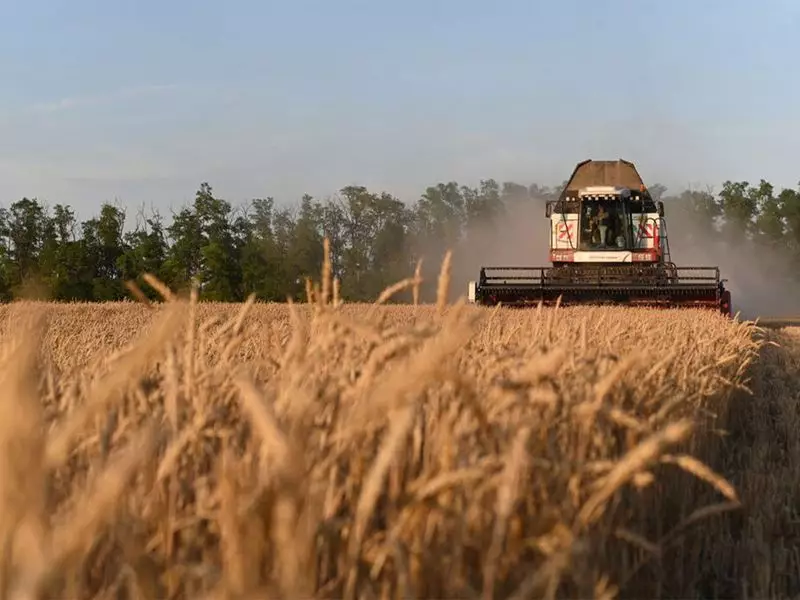
Pakistan's vital agriculture sector is rapidly descending into a severe crisis as farmers across the nation grapple with skyrocketing production costs, policy neglect, and diminishing returns. This alarming situation threatens not only the livelihoods of millions dependent on farming but also the country's food security at large.
Soaring Costs Crush Farmers
The agricultural landscape in Pakistan has become increasingly hostile for farmers. Production costs for essential crops like wheat have surged by approximately 40-45% during the current season alone. This dramatic increase is primarily driven by the soaring prices of critical inputs including fertilizers, pesticides, electricity, and diesel fuel.
Farmers are reporting that the cost of cultivating one acre of wheat has jumped from Rs 35,000-40,000 to an overwhelming Rs 55,000-60,000. This massive cost escalation has completely erased profit margins, leaving agricultural producers struggling to recover even their basic investment. The situation has become so dire that many farmers are questioning whether continuing in agriculture is economically viable at all.

Government Policies Worsen the Situation
Compounding the problem of rising costs are government policies that many agricultural experts describe as inadequate and poorly timed. The delay in announcing a support price for wheat has been particularly damaging, creating uncertainty and preventing farmers from making informed planting decisions.
When the government finally did declare the procurement price, it failed to account for the actual production costs farmers were facing. This pattern of policy neglect extends beyond wheat to other crucial crops, including cotton and sugarcane, where similar issues of pricing and procurement have created significant challenges for the agricultural community.
Adding to the frustration is the substantial increase in electricity tariffs, which has dramatically raised the cost of operating tube wells for irrigation. For farmers already operating on thin margins, these additional expenses have pushed many into severe financial distress.
Widespread Protests and Economic Consequences
The deteriorating conditions have sparked widespread protests across Punjab and other agricultural regions. Farmers are taking to the streets to demand relief from crushing debts and more supportive government policies. The protests highlight the growing desperation within the farming community as financial pressures mount.
The crisis extends beyond individual farmers to impact Pakistan's broader economy. Agriculture contributes approximately 24% to Pakistan's GDP and employs nearly 37.4% of the national labor force. The sector's decline therefore has ripple effects throughout the entire economy, affecting everything from rural employment to national export earnings.
Food security has emerged as another major concern. With farmers increasingly unable to afford planting crops, there are genuine fears about potential shortages of essential food items in the coming months. This could lead to higher food prices for consumers and increased reliance on expensive imports, further straining Pakistan's already fragile economy.
Urgent Solutions Needed
Agricultural experts and farmer representatives are calling for immediate government intervention to prevent a complete collapse of the sector. Key demands include rationalizing input costs, ensuring timely announcement of support prices, and improving procurement mechanisms to guarantee farmers receive fair value for their produce.
There are also calls for comprehensive agricultural reforms that would address structural issues within the sector. These include improving access to credit, investing in modern farming technologies, and developing better water management systems to cope with changing climate patterns.
Without prompt and effective action, Pakistan risks not only economic damage but also social unrest as millions of farmers face the prospect of financial ruin. The current crisis represents a critical test for policymakers who must balance immediate relief measures with long-term strategies to build a more resilient agricultural sector.