

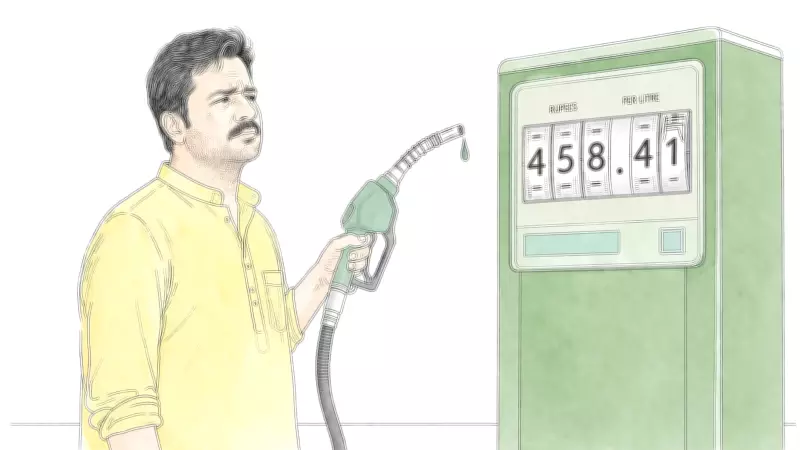
Pakistan Implements Record 43-55% Fuel Price Hike in Single Move
In a bold and unprecedented economic decision, Pakistan has announced a massive increase in fuel prices, with rates soaring by 43% to 55% in a single adjustment. This move marks one of the largest such hikes in the country's history, sending shockwaves through the economy and affecting millions of citizens who rely on affordable energy for daily life.
Driving Factors Behind the Sudden Price Surge
The decision to raise fuel prices so drastically is primarily attributed to pressure from the International Monetary Fund (IMF), as Pakistan seeks to secure a crucial bailout package to stabilize its struggling economy. The IMF has long urged Pakistan to implement structural reforms, including reducing subsidies on petroleum products to curb fiscal deficits and align prices with international market rates.
Additionally, the government faces mounting fiscal pressures, with rising global oil prices and a depreciating currency exacerbating the cost of fuel imports. This price hike is seen as a necessary step to address these economic challenges, though it comes at a significant cost to the public.

Immediate Impact on Inflation and Daily Life
The fuel price increase is expected to have a ripple effect across the economy, driving up inflation rates as transportation costs surge. This will likely lead to higher prices for essential goods and services, including food, utilities, and public transport, putting additional strain on households already grappling with economic hardships.
Public transport operators have warned of fare hikes, while industries reliant on fuel, such as logistics and manufacturing, may face increased operational costs, potentially slowing economic growth. The move has sparked protests and public outcry, with citizens expressing frustration over the sudden burden on their finances.
Broader Economic Reforms and Future Outlook
This fuel price adjustment is part of a broader set of economic reforms aimed at reviving Pakistan's economy, which has been plagued by high debt, low foreign reserves, and sluggish growth. By reducing subsidies, the government hopes to free up resources for social spending and infrastructure projects, though the short-term pain for consumers is undeniable.
Analysts suggest that while this move may help Pakistan meet IMF conditions and secure financial support, it could also fuel social unrest if not managed carefully. The government has emphasized that the hike is temporary and necessary for long-term stability, but many remain skeptical about the immediate relief for struggling families.
In summary, Pakistan's record 43-55% fuel price hike in one go reflects a critical juncture in its economic policy, balancing IMF demands with public welfare. The outcome will depend on how effectively the government mitigates the impact on inflation and supports vulnerable populations during this challenging period.






