The 60-day ceasefire announced between Iran and the United States, expected to de-escalate hostilities and reopen the arterial Strait of Hormuz, offers a glimmer of hope. If signed and sealed, India’s sigh of relief will be the loudest, as it will halt downward revisions to growth and upward revisions to inflation seen of late.
Impact on India's Economy
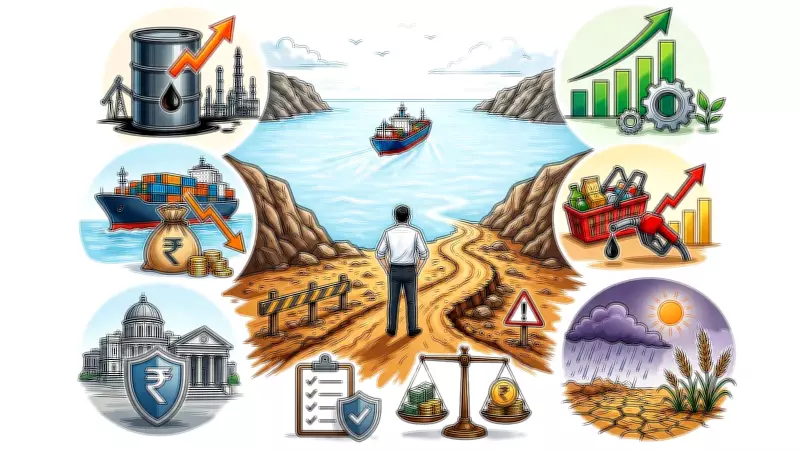
With the conflict, risks to global growth and inflation flared up, putting India’s resilience to the toughest test since COVID-19. Apart from the largest oil shock in history, supply chains were disrupted, freight and insurance costs soared, and the availability of fertilisers and petrochemicals was constrained.
The reopening of the Strait of Hormuz, through which about 20% of the world's oil passes, would ease these pressures. Lower oil prices would reduce India's import bill, curb inflation, and improve the current account deficit. Additionally, restoring supply chains would lower input costs for industries, boosting manufacturing and exports.

Challenges Remain
However, the ceasefire is only a temporary measure, and the underlying tensions between Iran and the US persist. India must continue to diversify its energy sources and strengthen strategic reserves to mitigate future disruptions. The government should also focus on boosting domestic production of fertilisers and petrochemicals to reduce import dependence.
The ceasefire offers a window of opportunity for India to recalibrate its economic policies and build resilience against geopolitical shocks. While the immediate outlook has improved, sustained efforts are needed to ensure long-term stability.