

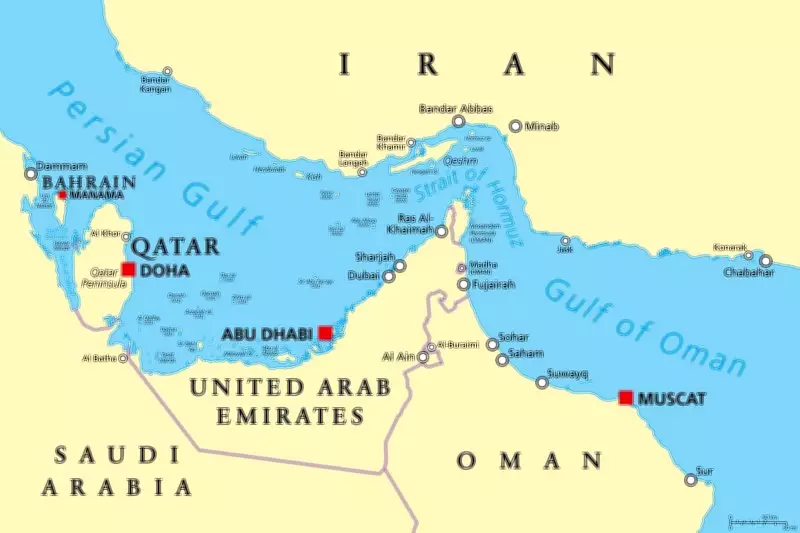
The Strait of Hormuz: A Narrow Passage That Powers the World
Only a few places on Earth wield as much influence over the global economy as this narrow maritime passage. The Strait of Hormuz is a critical chokepoint that connects the Persian Gulf with the Arabian Sea through the Gulf of Oman, serving as a lifeline for international energy supplies.
Geographical and Strategic Importance
The Strait of Hormuz lies between Iran to the north and Oman and the United Arab Emirates to the south. This waterway is barely a few dozen kilometers wide, yet it is one of the world's most strategically vital maritime routes. It facilitates the transit of millions of barrels of oil daily, making it indispensable for global trade and energy security.
Historical Conflicts: The Tanker War
In 1987, during the closing years of the Iran-Iraq war, the Persian Gulf transformed into a battlefield for the world's oil supply. This period, known as the 'Tanker War', saw missiles striking oil tankers and naval mines drifting through shipping lanes. Insurance premiums for ships skyrocketed overnight, and more than 500 commercial vessels were damaged or destroyed. At the center of this conflict was the Strait of Hormuz, highlighting its vulnerability and critical role in global affairs.

Economic Impact and Global Dependence
The strait's narrow passage means that any disruption can have immediate and severe consequences for the global economy. It powers nations by enabling the flow of oil from major producers like Saudi Arabia, Iraq, and Kuwait to markets worldwide. This dependence underscores why the Strait of Hormuz remains a focal point for geopolitical tensions and international diplomacy.
Understanding this maritime chokepoint is essential for grasping how interconnected and fragile the world's economic systems are, reliant on such key passages for stability and growth.






