Trump's Anticipated Return to Davos: A New Chapter in Global Economic Diplomacy
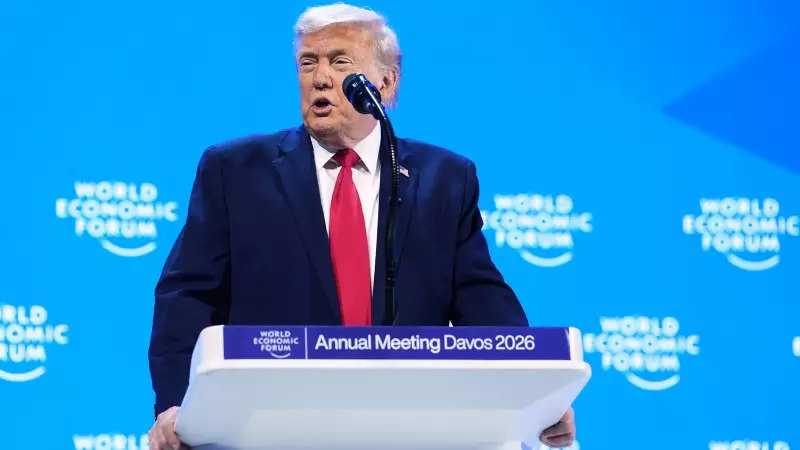
The political landscape is abuzz with speculation as former US President Donald Trump considers a return to the World Economic Forum in Davos. This move, if realized, would mark a significant shift in his approach to global economic engagement, contrasting sharply with his previous stance during his presidency. Trump's potential presence at the forum is not merely a symbolic gesture; it carries profound implications for international relations, climate policies, and trade dynamics.
A Strategic Re-engagement with Global Economic Forums
During his tenure, Trump was often critical of multilateral institutions, including the World Economic Forum, which he viewed as platforms for globalist agendas. However, his renewed interest in Davos suggests a strategic pivot. Analysts believe this could be an effort to reassert US influence on the world stage, particularly in economic matters. By participating, Trump may aim to shape discussions on key issues such as trade deals, investment flows, and economic recovery post-pandemic.
The timing of this potential return is crucial, as the global economy faces unprecedented challenges, including inflation, supply chain disruptions, and geopolitical tensions. Trump's involvement could bring a focus on nationalist economic policies, emphasizing America-first strategies while engaging with international partners. This dual approach might seek to balance domestic priorities with global cooperation, a delicate act that could redefine US-EU relations and other bilateral ties.

Climate and Environmental Policies: A Contentious Agenda
One of the most contentious aspects of Trump's potential Davos appearance revolves around climate change. The World Economic Forum has increasingly prioritized green initiatives and sustainability, topics that often clashed with Trump's policies during his presidency. His administration rolled back numerous environmental regulations and withdrew from the Paris Agreement, actions that drew criticism globally.
If Trump returns to Davos, he may face scrutiny over his stance on climate issues. However, this could also provide an opportunity for him to present alternative viewpoints, such as emphasizing economic growth over stringent environmental mandates. The forum might become a battleground for debates on balancing ecological concerns with industrial development, influencing how nations approach climate diplomacy in the coming years.
Implications for EU Relations and Global Trade
Trump's history with the European Union has been marked by tensions, particularly over trade imbalances and defense spending. His potential engagement at Davos could either ease or exacerbate these frictions. On one hand, direct dialogue in a multilateral setting might foster better understanding and cooperation. On the other, his assertive rhetoric could reignite disputes, especially if he advocates for protectionist measures that conflict with EU interests.
- Trade negotiations: Trump might use the forum to push for renegotiated trade deals, focusing on reciprocity and fair competition.
- Geopolitical alliances: His presence could impact US-EU coordination on issues like security and technology, given past disagreements.
- Global economic governance: This move may signal a shift in how the US engages with international economic bodies, potentially advocating for reforms.
The broader context includes ongoing global challenges, such as the war in Ukraine and economic instability, which require cohesive international responses. Trump's role at Davos could either contribute to or hinder these efforts, depending on his approach to diplomacy and consensus-building.
Looking Ahead: What This Means for India and the World
For India, Trump's potential return to Davos holds particular significance. As a key player in the global economy, India has navigated complex relations with the US under Trump, marked by trade talks and strategic partnerships. His renewed involvement in forums like Davos could influence Indo-US economic ties, especially in areas like technology transfer, investment, and climate cooperation.

- Economic opportunities: India might benefit from increased US engagement in multilateral forums, leading to enhanced trade and investment flows.
- Policy alignment: Trump's focus on economic nationalism could prompt India to reassess its own trade strategies and global positioning.
- Climate dialogue: As India advances its green initiatives, interactions at Davos could shape collaborative efforts on sustainability.
In conclusion, Donald Trump's potential return to the World Economic Forum in Davos represents more than a personal comeback; it is a strategic maneuver with far-reaching consequences. By re-engaging with global economic discussions, he aims to reshape narratives on climate, trade, and international relations. As the world watches, this development could herald a new era of economic diplomacy, where nationalist agendas intersect with global cooperation, impacting nations from the EU to India and beyond.