

US Considers Un-Sanctioning Iranian Oil to Mitigate Global Crude Price Surge
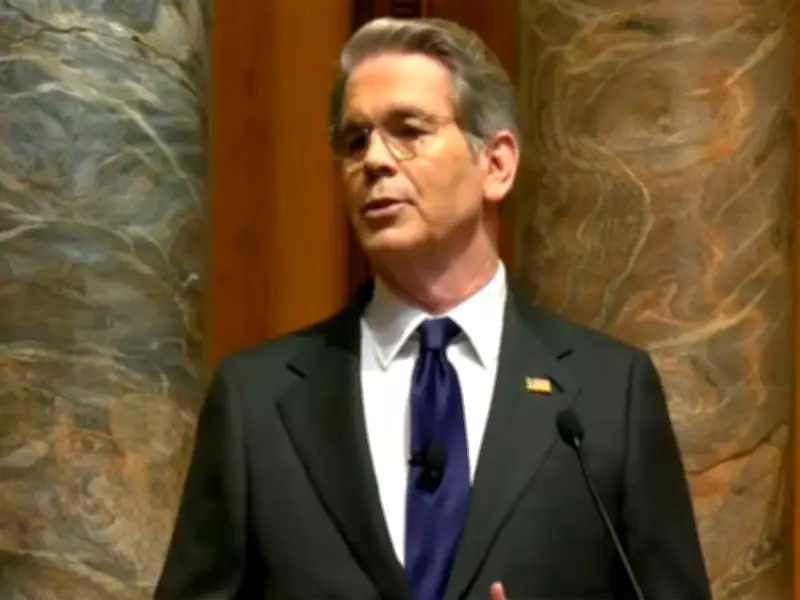
In a significant strategic shift, the United States is actively considering the removal of sanctions on Iranian oil as a primary measure to stabilize global energy markets and curb the recent surge in crude prices. United States Secretary of the Treasury Scott Bessent confirmed this move, describing it as part of a broader "coordinated effort" across the federal government to manage supply and address immediate energy security concerns.
Strategic Plan to Release Iranian Barrels
Speaking to Fox News, Bessent revealed that the administration has implemented a "break the glass plan" across the Treasury and the executive branch to tackle these pressing issues. He indicated that the U.S. is evaluating the status of Iranian oil as the current campaign progresses, with a potential decision in the coming days. "In the coming days, we may un-sanction the Iranian oil that's on the water. It's about 140 million barrels," Bessent stated. He explained that this volume represents roughly "10 days to 2 weeks of supply" that had been destined for China.
The Treasury Secretary detailed the tactical reasoning behind this approach, framing the use of sanctioned reserves as a tool against the originating regimes. "In essence, we will be using the Iranian barrels against the Iranians to keep the price down for the next 10 or 14 days as we continue this campaign," Bessent remarked. He emphasized that the U.S. possesses "lots of levers" and that there is "plenty more that we can do" to influence global pricing, including the continued use of domestic reserves.

Historical Context and Additional Measures
Bessent highlighted previous actions, noting that the U.S. had un-sanctioned Russian oil, releasing about 130 million barrels from floating storage beyond the Strait of Hormuz. He pointed out that the administration anticipated market volatility, with officials aware of potential temporary choke points. Additionally, he mentioned that the "largest coordinated SPR (Strategic Petroleum Reserve) release in history, 400 million barrels, was approved last week," and suggested that other countries might follow suit. The U.S. could also "unilaterally do another SPR release to keep the price down."
Energy Independence and International Cooperation
According to Bessent, U.S. energy independence, largely attributed to efforts during President Trump's first term, has led to a significant divergence between West Texas Intermediate (WTI) and Brent crude prices in recent sessions. This independence positions the U.S. as an oil exporter, altering its role in global energy dynamics.
Regarding maritime security, Bessent stressed that international allies must take a more active role in protecting oil transit routes, particularly in the Middle East. "When President Trump says our allies should join us in a coalition along the straits of Hormuz, they're the ones who need this oil," he noted. He expressed that it would be "very disappointing for those who benefit the most not to do something" to assist in escorting ships through the Strait of Hormuz, emphasizing the shared responsibility in maintaining global energy stability.






