

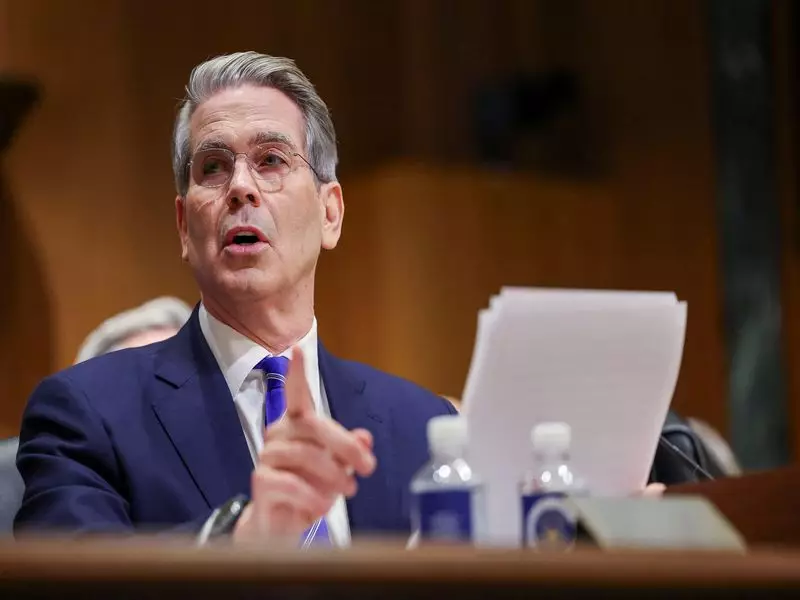
US Treasury Secretary Bessent Slams EU-India Trade Deal, Accuses Europe of Funding War via Russian Oil
In a sharp critique of international trade dynamics, US Treasury Secretary Bessent has voiced strong opposition to the recent trade agreement between the European Union and India. The official statement, delivered during a high-profile address, underscores growing geopolitical rifts and economic concerns on the global stage.
Allegations of Indirect Conflict Financing
Secretary Bessent did not mince words, directly accusing European nations of effectively funding a war against themselves through their continued reliance on Russian oil imports. According to the Treasury Secretary, the financial flows from these purchases are inadvertently supporting military actions and destabilizing activities that ultimately threaten European security and interests.
This criticism comes at a sensitive time, as the EU and India have been negotiating a comprehensive trade pact aimed at boosting bilateral commerce and investment. The deal, which seeks to reduce tariffs and enhance market access, has been hailed by both parties as a milestone in strengthening economic ties. However, Bessent's remarks cast a shadow over these efforts, suggesting that such agreements may have unintended consequences in the broader context of global conflicts.

Implications for Global Trade and Diplomacy
The US Treasury Secretary's comments highlight a deepening divide in international trade policies, particularly regarding energy dependencies and their geopolitical ramifications. By linking the EU-India trade deal to the issue of Russian oil, Bessent is drawing attention to what he perceives as a critical flaw in European economic strategy.
- First, the statement implies that trade agreements must be evaluated not just for their economic benefits but also for their alignment with security and ethical considerations.
- Second, it raises questions about the coherence of Western alliances in addressing global challenges, such as conflict financing and energy security.
- Third, the critique may influence future negotiations, as countries reassess their trade partners and the broader implications of their economic decisions.
This development is particularly relevant for India, which has been navigating complex diplomatic waters in its relations with both Western powers and Russia. The EU-India trade deal represents a significant opportunity for economic growth, but Bessent's intervention could complicate its implementation and reception on the international stage.
Broader Context and Reactions
The Treasury Secretary's slam is not an isolated incident but part of a larger pattern of US concerns over European energy policies and their impact on global stability. In recent years, the United States has repeatedly urged its allies to reduce dependence on Russian energy sources, citing security risks and moral imperatives.
- European officials have defended their trade strategies, emphasizing the need for diversified energy supplies and the economic benefits of agreements like the one with India.
- Indian stakeholders have expressed cautious optimism about the deal, focusing on its potential to enhance trade volumes and create jobs, while downplaying geopolitical controversies.
- Analysts suggest that Bessent's remarks could spur renewed discussions on how to balance economic interests with security priorities in an increasingly interconnected world.
As the situation unfolds, the interplay between trade, diplomacy, and conflict financing will likely remain a focal point for policymakers and observers alike. The US Treasury Secretary's bold stance serves as a reminder of the high stakes involved in international economic agreements and their far-reaching consequences.






