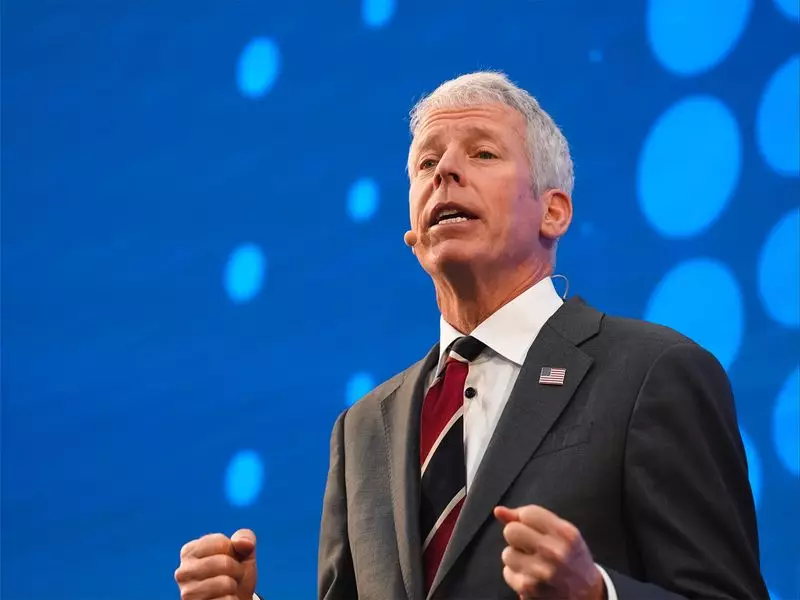
In a significant diplomatic development, the Venezuelan government has agreed to engage with the United States on energy matters. This shift comes after a prolonged blockade by Washington provided it with substantial leverage, according to a statement from US Deputy Assistant Secretary for Caribbean Affairs and Haiti, Barbara Feinstein.
The Blockade That Created Leverage
For years, the United States maintained a stringent sanctions regime against Venezuela's crucial oil sector. This economic pressure, aimed at the government of President Nicolas Maduro, severely restricted the South American nation's ability to export its vast petroleum resources. The strategy, as explained by US officials, was designed to compel political change. Barbara Feinstein, speaking at an event hosted by the Atlantic Council think tank, explicitly stated that this "blockade gave leverage to the United States" in its dealings with Caracas.
The leverage proved effective. Facing immense economic hardship and a crippled primary industry, the Venezuelan administration has now signaled a willingness to cooperate. This marks a notable pivot in a relationship long defined by hostility and accusations, including US claims of authoritarianism and Venezuelan charges of American imperialism.

A Strategic Shift in Energy Diplomacy
The agreement for cooperation centers on the energy sector, the lifeblood of the Venezuelan economy. While specific details of the collaborative framework are still emerging, the breakthrough suggests a pragmatic approach from both sides. For the US, securing a stable and cooperative energy partner in the hemisphere aligns with broader efforts to diversify supplies. For Venezuela, the potential easing of sanctions offers a lifeline to revive its oil production and exports, which have plummeted in recent years.
Feinstein's comments underscore a calculated use of economic tools to achieve foreign policy objectives. The US decision to enforce and then potentially relax the oil sanctions based on Venezuelan compliance demonstrates a strategy of coercive diplomacy. The development is being closely watched by global energy markets, as Venezuela holds the world's largest proven oil reserves.
Implications and the Road Ahead
This tentative agreement could have far-reaching consequences. Regionally, it may alter the geopolitical landscape of Latin America, where US-Venezuela tensions have been a defining feature. The move may also influence global oil prices and supply chains, especially in the context of ongoing volatility due to conflicts elsewhere.
However, significant challenges remain. The political situation within Venezuela is complex, and any lasting deal would likely require further concessions and guarantees. The US administration will face scrutiny from lawmakers and allies who have supported a hardline stance against Maduro's government. The cooperation, while focused on energy, could open doors to discussions on other contentious issues, including democratic reforms and human rights.
In conclusion, the Venezuelan government's agreement to work with Washington represents a major shift driven by economic necessity. The US blockade successfully created the leverage needed to bring Caracas to the table. As both nations navigate this new, cautious phase of engagement, the world will be observing whether this energy-focused cooperation can lead to a more stable and predictable relationship.