

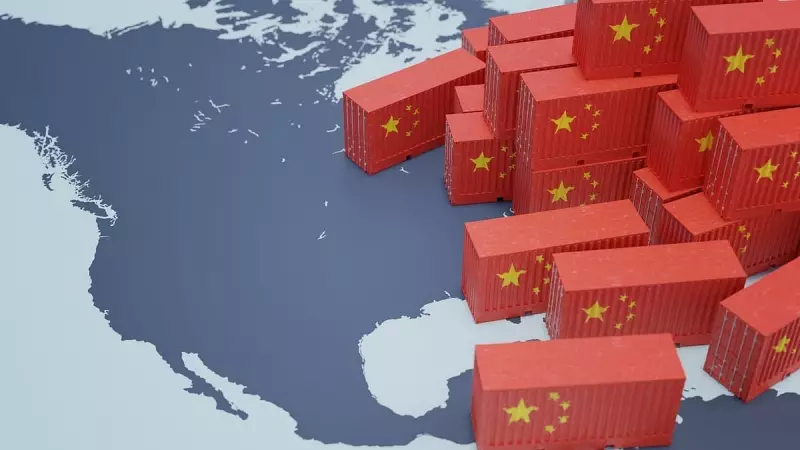
Venezuela's Massive Debt to China: The Oil-Backed Financial Lifeline Explained
Venezuela, a nation grappling with severe economic turmoil and political instability, has accumulated a substantial debt to China, with oil playing a central role in this financial arrangement. This relationship highlights how resource-rich countries leverage their natural assets to secure critical funding during crises.
The Scale of Venezuela's Debt to China
Over the past two decades, Venezuela has borrowed extensively from China, with estimates suggesting the total debt amounts to tens of billions of dollars. This financial support has been crucial for Venezuela, providing a lifeline as it faces hyperinflation, shortages of basic goods, and international sanctions. The debt is not a simple loan but is intricately tied to Venezuela's vast oil reserves, which serve as collateral.
Why Oil Is Involved in the Debt
The involvement of oil in Venezuela's debt to China stems from the country's reliance on its petroleum resources as its primary economic asset. China, as a global economic powerhouse with immense energy needs, has entered into agreements where loans are secured against future oil shipments. This oil-backed financing model ensures that China receives repayment in the form of crude oil, mitigating risks associated with Venezuela's volatile economy and currency devaluation.

Key reasons for oil's role include:
- Resource Collateral: Venezuela's oil reserves offer a tangible guarantee for loans, making the debt more secure for China.
- Energy Security: China benefits by securing a steady supply of oil to fuel its growing economy, diversifying its energy sources.
- Economic Strategy: For Venezuela, this arrangement provides immediate cash flow without relying on traditional financial markets, which are often inaccessible due to sanctions.
Implications of the Oil-Backed Debt
This debt structure has significant implications for both nations. For Venezuela, it has helped sustain government operations and social programs amid economic collapse, but it also deepens dependency on China and ties up future oil revenues. Critics argue that this could compromise Venezuela's sovereignty and long-term economic recovery.
For China, the arrangement represents a strategic investment in global energy resources and geopolitical influence in Latin America. However, it carries risks, such as exposure to Venezuela's political instability and fluctuations in oil prices. The debt has also sparked international attention, with some viewing it as part of China's broader "debt-trap diplomacy" in developing regions.
Current Status and Future Outlook
As of recent reports, Venezuela continues to struggle with repaying its debt to China, leading to renegotiations and extensions of payment terms. The ongoing economic crisis, exacerbated by the COVID-19 pandemic and low oil prices, complicates the situation. Analysts suggest that China may need to consider debt relief or restructuring to avoid a total default, which could impact bilateral relations.
Looking ahead, the future of Venezuela's debt to China will likely depend on oil market dynamics, political developments in Venezuela, and China's foreign policy priorities. This case serves as a poignant example of how natural resources can shape international finance and diplomacy in times of crisis.






