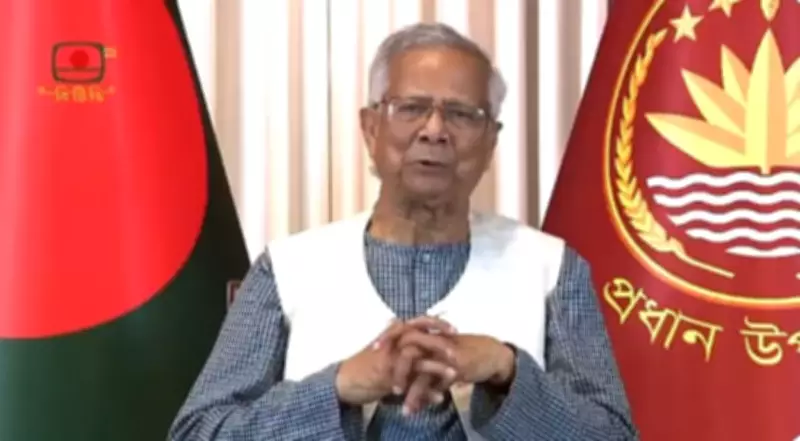
Nobel Laureate Muhammad Yunus Proposes Regional Economic Corridor in Farewell Address
In a significant farewell speech, Nobel Peace Prize winner and Bangladeshi economist Muhammad Yunus outlined a bold economic vision aimed at fostering regional integration and development. The renowned founder of Grameen Bank emphasized the potential for creating a transformative economic corridor that would link India's northeastern states, commonly referred to as the Seven Sisters, with the neighboring nations of Nepal and Bhutan.
Connecting the Seven Sisters with Himalayan Neighbors
Yunus articulated a strategic plan to enhance connectivity and economic cooperation across South Asia. He highlighted the untapped potential of India's northeastern region, which includes states such as Assam, Meghalaya, and Arunachal Pradesh, and proposed integrating them more closely with the economies of Nepal and Bhutan. This initiative aims to leverage the geographical proximity and cultural ties to stimulate trade, investment, and sustainable growth.
The proposed corridor is envisioned to facilitate cross-border infrastructure projects, improve transportation networks, and promote joint ventures in sectors like agriculture, tourism, and renewable energy. Yunus stressed that such collaboration could address common challenges such as poverty, unemployment, and environmental sustainability, while also strengthening diplomatic relations among the countries involved.

Emphasis on Inclusive and Sustainable Development
Central to Yunus's vision is the principle of inclusive development, drawing from his lifelong work in microfinance and social business. He advocated for policies that prioritize the welfare of marginalized communities, ensuring that economic benefits reach all segments of society. By focusing on grassroots entrepreneurship and community-led initiatives, the plan seeks to empower local populations and reduce economic disparities.
Yunus also underscored the importance of environmental stewardship, suggesting that the corridor incorporate green technologies and sustainable practices to mitigate climate change impacts. This aligns with global efforts to promote eco-friendly development models in vulnerable regions.
Potential Impacts and Future Prospects
The economic vision outlined by Yunus has the potential to reshape regional dynamics in South Asia. Key anticipated impacts include:
- Enhanced trade flows and economic diversification across borders.
- Improved infrastructure, such as roads and digital connectivity, boosting accessibility.
- Increased cultural and educational exchanges, fostering greater understanding and cooperation.
- Strengthened resilience against economic shocks through collaborative frameworks.
As Yunus steps back from his active roles, his farewell speech serves as a call to action for policymakers and stakeholders to embrace innovative approaches to regional integration. The proposal reflects his enduring commitment to poverty alleviation and economic justice, leaving a legacy that could inspire future initiatives in South Asia and beyond.