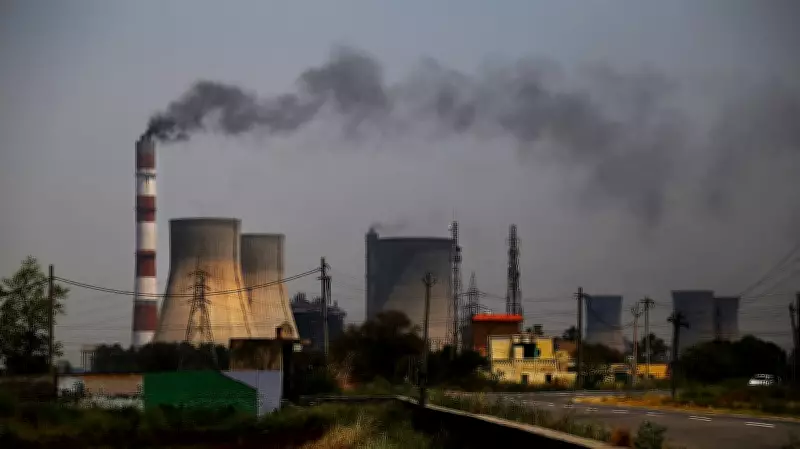
Carbon exposure is rapidly becoming a major business, trade, and credit risk factor for Indian industry, according to a recent report. The findings indicate that carbon-related factors are gradually influencing fundamental business metrics such as profitability, operational costs, capital allocation, supply-chain decisions, and even credit-risk assessments by lenders and insurers.
Impact on Business Fundamentals
The report highlights that carbon exposure is no longer just an environmental concern but a critical financial and operational issue. Companies across sectors are facing increased scrutiny from investors, customers, and regulators regarding their carbon footprint. This shift is forcing businesses to reassess their strategies and integrate carbon management into core operations.
Profitability and Costs
One of the key areas affected is profitability. Firms with high carbon emissions may face higher operational costs due to potential carbon taxes, compliance expenses, and increased energy prices. Additionally, inefficient resource use can lead to wastage and reduced margins. The report notes that companies proactively reducing emissions can gain a competitive advantage by lowering costs and improving efficiency.

Capital Allocation and Supply Chains
Capital allocation decisions are also being reshaped. Investors are increasingly channeling funds towards low-carbon enterprises, while banks and financial institutions are integrating carbon risk into lending criteria. Supply-chain disruptions are another concern, as companies may face pressure from partners to disclose and reduce emissions, affecting procurement and logistics.
Credit Risk and Insurance Implications
Lenders and insurers are now evaluating carbon exposure as part of their risk assessment. High-emission industries may encounter higher borrowing costs or difficulty obtaining insurance. This trend is expected to accelerate as global climate policies tighten and disclosure requirements become mandatory.
Need for Strategic Action
The report emphasizes that Indian industries must act swiftly to manage carbon risks. This includes adopting cleaner technologies, improving energy efficiency, and transparent reporting. Companies that fail to adapt may face reputational damage, regulatory penalties, and loss of market share. Conversely, early movers can position themselves as leaders in the transition to a low-carbon economy.
As carbon emerges as a key risk factor, the report calls for a comprehensive approach involving government policy support, industry collaboration, and financial sector alignment to mitigate potential adverse impacts on the Indian economy.